fuma-hk › MIRANEST › Angle › Rarest
The rarest ingredient
MIRANEST’s cheapest angle is the one we have barely built for. Nine of its orders come from a single video. These are the brands — beauty and dog — who already run an entire business on “there is very little of this, and only we have it,” in video and in statics.
8 groups · 22 videos + 15 statics, every link opened and checked
▶ video ■ static
Why this angle, in our own numbers
The shape is the same as Longevity: about 95% of what we made for this angle is a static, and our statics are not what converts. NV1002-4 is an Education cut pointed at Alopecia-LP1 — it explains the ingredient rather than selling the product. Note what that means alongside the references below: statics do work for this angle, but only when they carry the ingredient story. Ours have been carrying offers.
Six ways they make one ingredient feel scarce
Across all eight groups the rarity claim is built from the same six parts. Most ads use two or three. None of them require a before-and-after.
One place on earth
Name the single location it comes from, and show someone going there.
La Mer: “the one place in the world they harvest Giant Sea Kelp.”
A window that closes
It is only good for a few hours, or harvested twice a year. Time does the work.
ARMRA: the first food of life. La Mer: kelp cut only when richest.
One number, repeated
A single count you say every time, until it becomes the ingredient’s name.
ARMRA: 400+ bioactives. Sulwhasoo: 60 years.
The accident
Nobody set out to find it. Someone noticed something odd, and the brand exists because of it.
SK-II: the sake brewers’ hands looked decades younger than their faces.
A process you cannot copy
Hand work, fermentation, a method held by a few people. Not the ingredient — the making of it.
La Mer’s months-long ferment; SK-II’s single yeast strain.
A borrowed name
Attach a luxury the audience already understands, and skip the explaining entirely.
Bird’s nest sold as “the caviar of the East”.
The references
Ordered by how close they sit to us. The first group is literally our ingredient, being sold by people who are not us — now including a brand on Costco shelves.
Edible bird's nest
Swiftlet's nestOur own ingredientNobody is running these as ads — creators explain why it costs what it costs, and a US brand now sells it in Costco. The rarity story for our ingredient already works without us.
Why this brand
- The story is already being told, and it performs — we are not introducing a strange idea.
- Every hook is price or disbelief:
why is it so expensive
,the caviar of the East
. Curiosity, not benefit. - The uncomfortable part — it is made of saliva — is the hook, not something to hide.
- Golden Nest putting a 30-year anniversary set in Costco means the US market is being warmed up for us.
What to take
- Open on the price or the rank, never on the dog.
- Let the ingredient stay strange for three seconds before it turns reassuring.
- We have what these lack: a reason a dog owner should care. Put it at the end.
Caviar of the East
is a borrowed name that does a lot of work in four words.
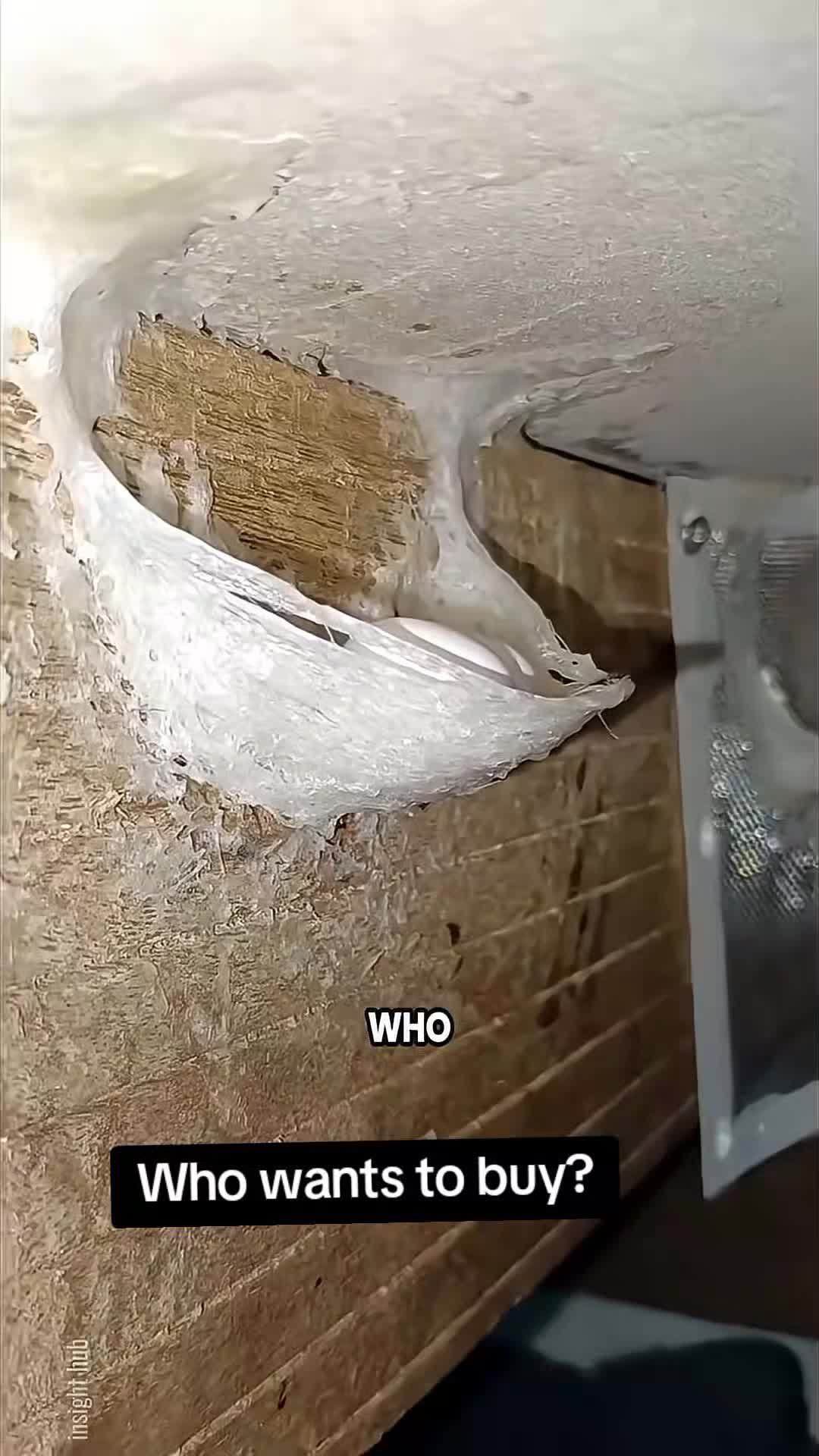
“Why Is Bird’s Nest So Expensive? The Truth Will Shock You!”
Steal: the price-shock cold open. No product in frame one.
▶ watch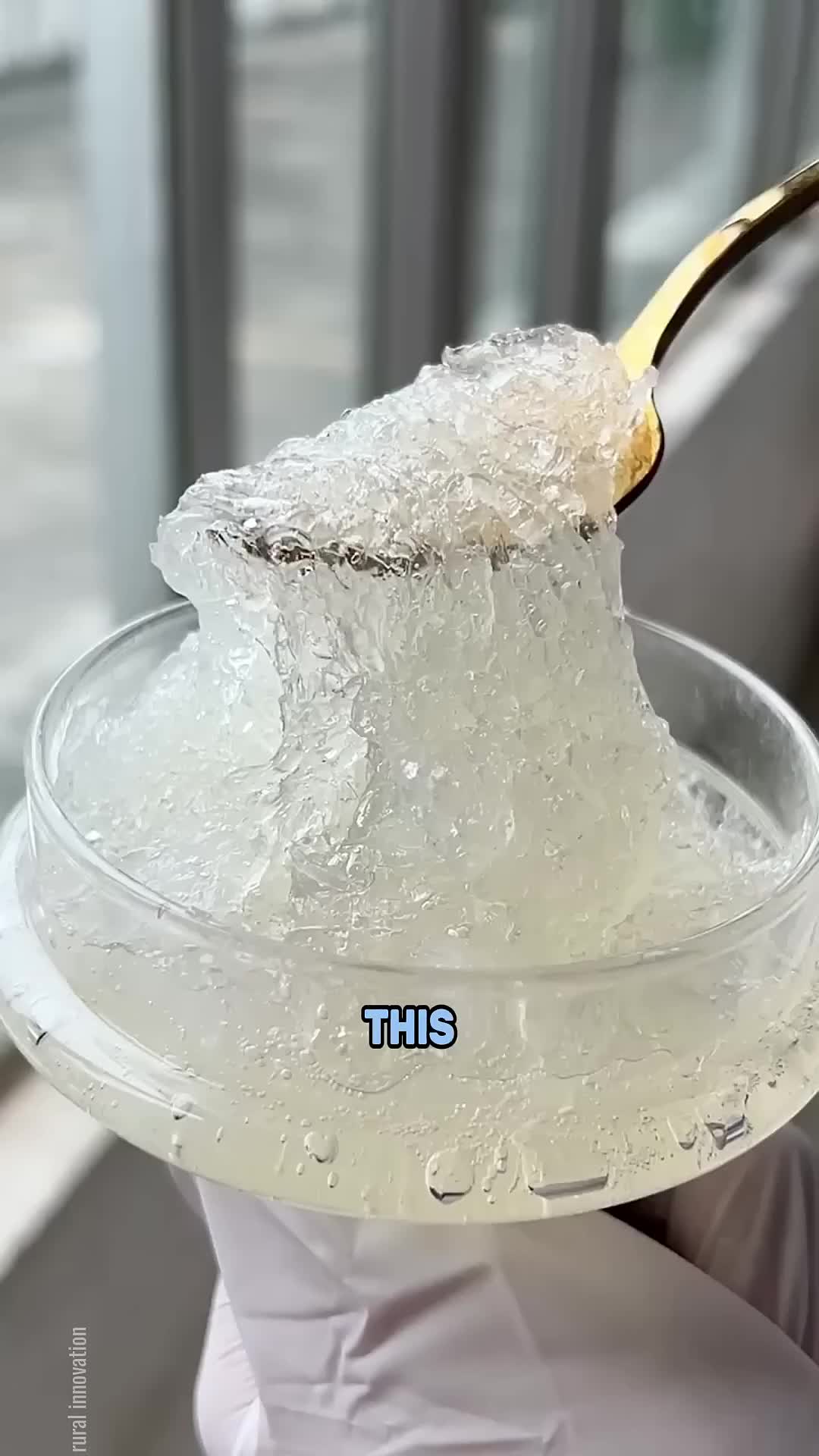
“Inside the World’s Most Expensive Natural Food” — tagged #raresuperfood.
Steal: “world’s most expensive” as a claim we can make truthfully.
▶ watch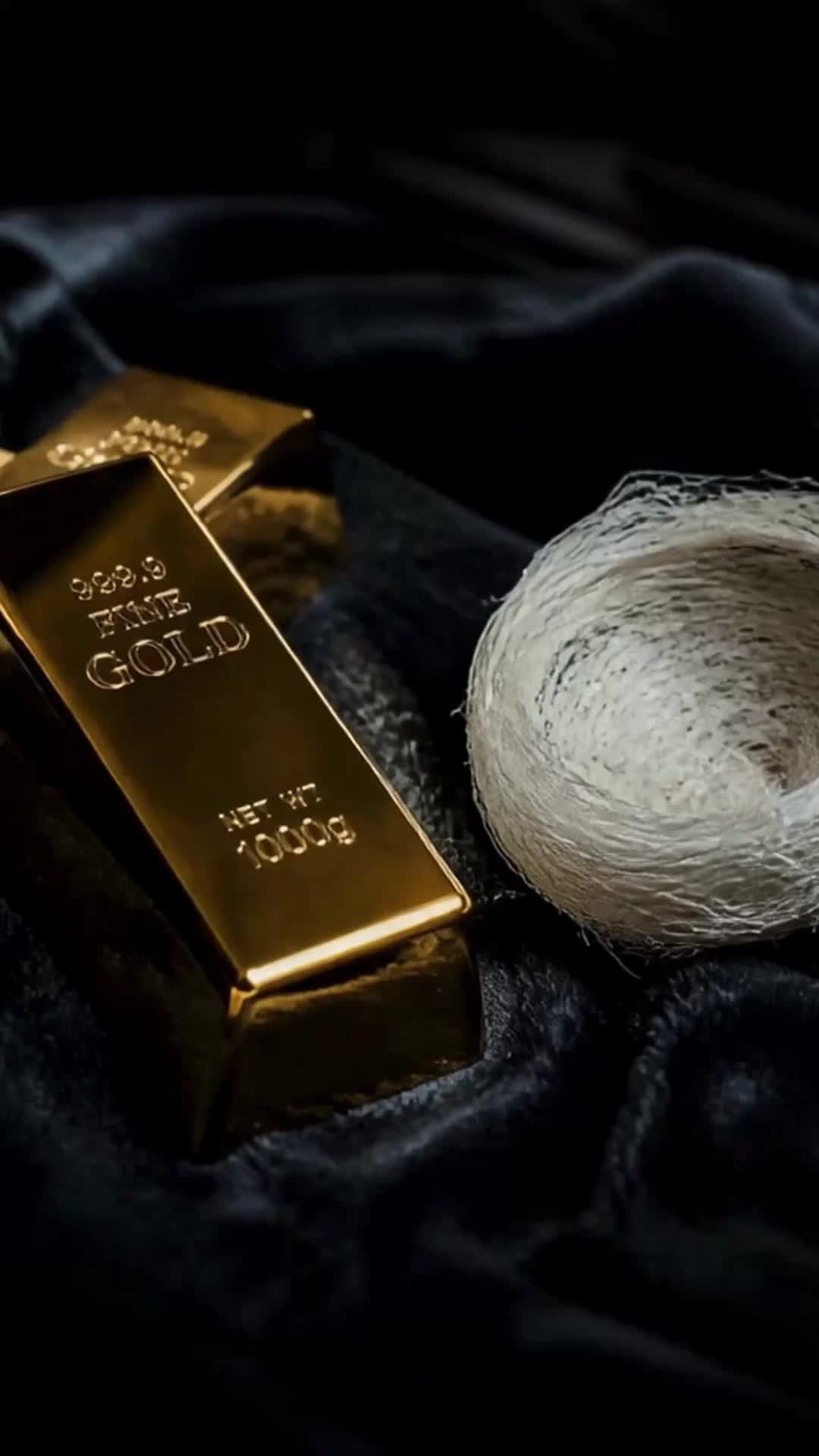
“The Incredible Value of Bird’s Saliva: Nature’s Golden Treasure” — a thousand years of history, and the danger of cave harvesting.
Steal: history as proof. Our house-farmed story answers the problem this video raises.
▶ watch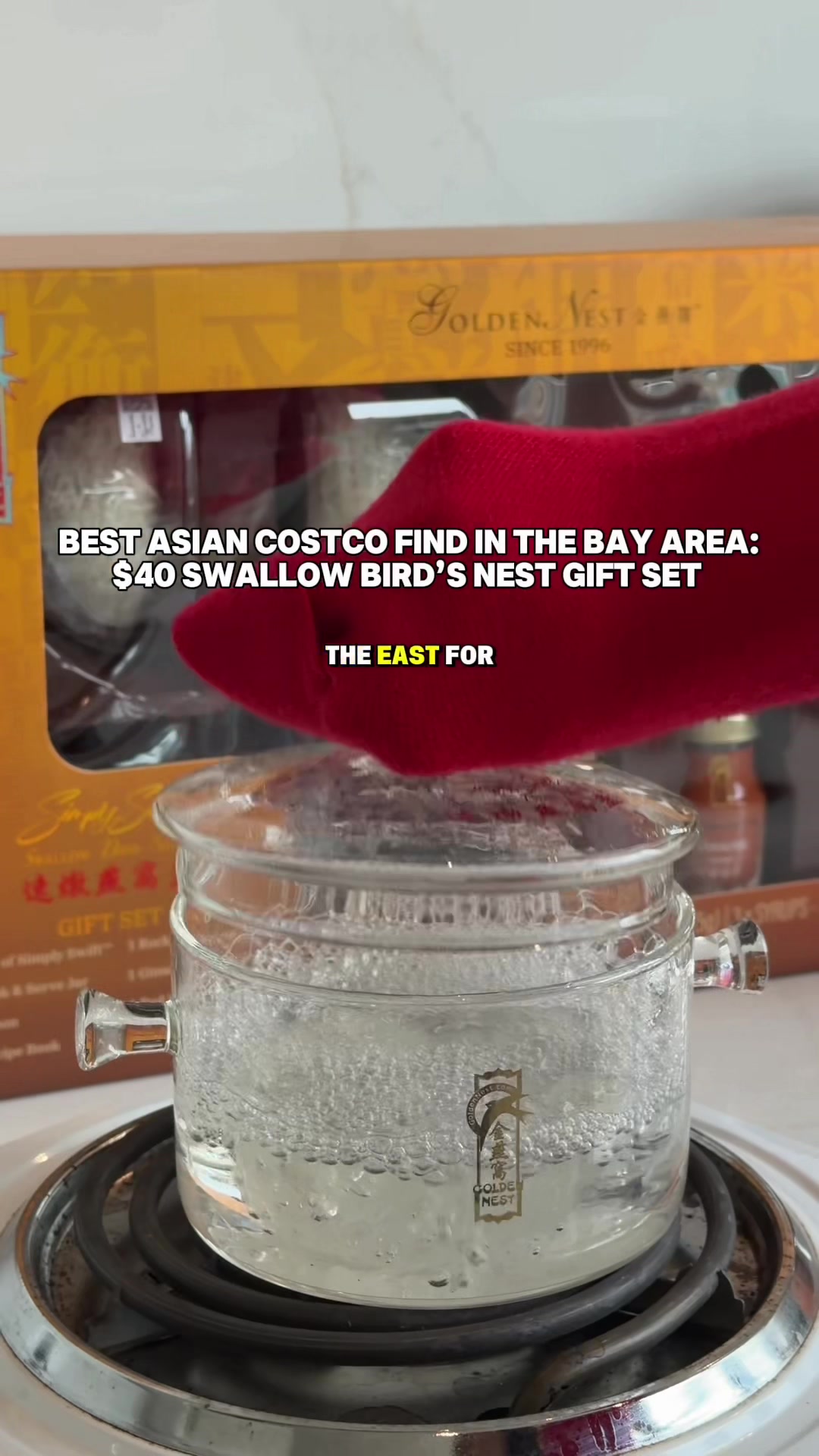
“Did you know the caviar of the East is now available at Bay Area Costcos for just $40?”
Steal: the borrowed-luxury nickname. Instant comprehension, zero explaining.
▶ watch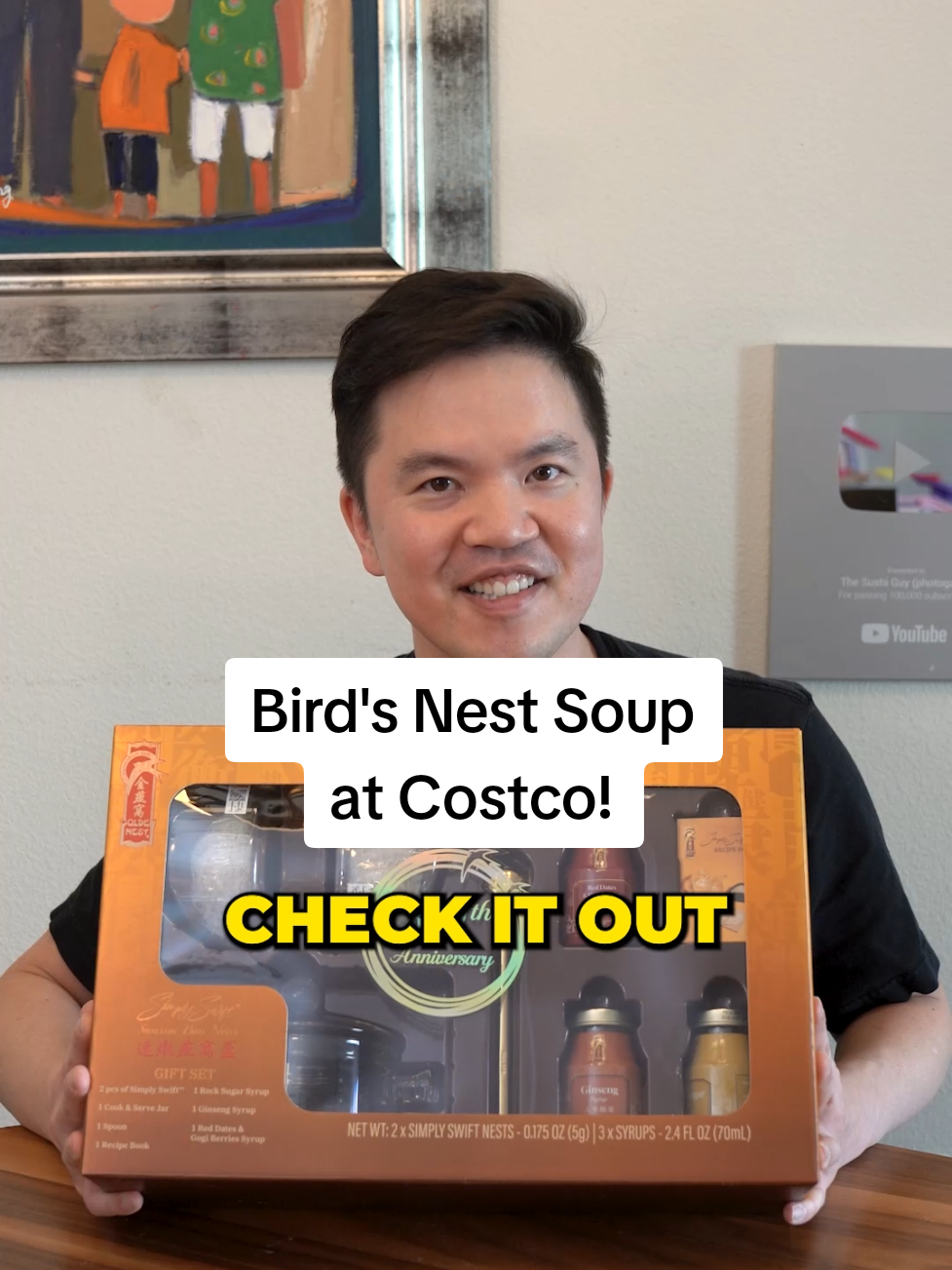
Golden Nest’s 30-Year Anniversary gift set, in Costco — 7.7k likes on a shelf find.
Steal: proof the US mainstream is already meeting this ingredient.
▶ watch
“Three Decades of Tradition.” A US brand selling our exact ingredient, leading on heritage rather than benefit.
Steal: the closest thing to a direct competitor on the nest story. Watch this one.
■ openLa Mer
Giant sea kelpBeautyThe strongest version of the angle anywhere: send a creator to the one place on earth the ingredient grows, and let them film the harvest.
Why this brand
- Kelp is not rare. La Mer made their kelp rare — one coastline, hand-cut, twice a year, only the top fronds.
- The sustainability story and the rarity story are the same story. Harvesting gently is why there is so little.
- Then a ferment of three to four months that only a few people know. Scarce ingredient plus scarce method.
- Their statics are product-led; the rarity work happens almost entirely in video.
What to take
- This is our house-farmed / bird-leaves-first story, already proven in video form.
- Go to the farm. A creator walking into the nest house beats any studio shot we can build.
- “Only the top fronds, so it grows back” ⇒ “we take the nest only after the bird has left.”
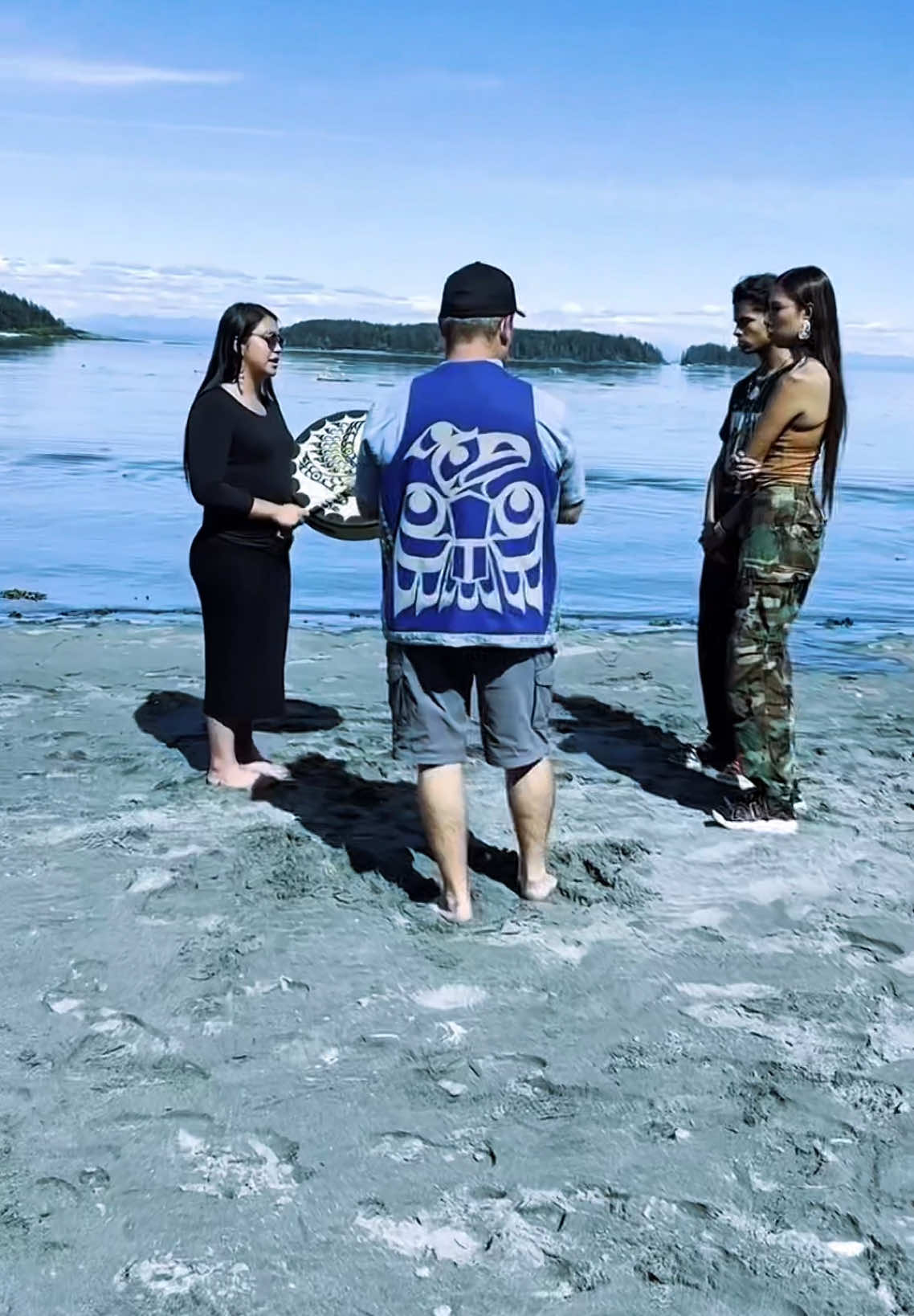
“…the one place in the world they harvest Giant Sea Kelp… only the top fronds are harvested. This leaves the plant and ecosystem intact but also helps it regenerate.”
Steal: the whole script. Closest thing to our sustainability lane that exists.
▶ watch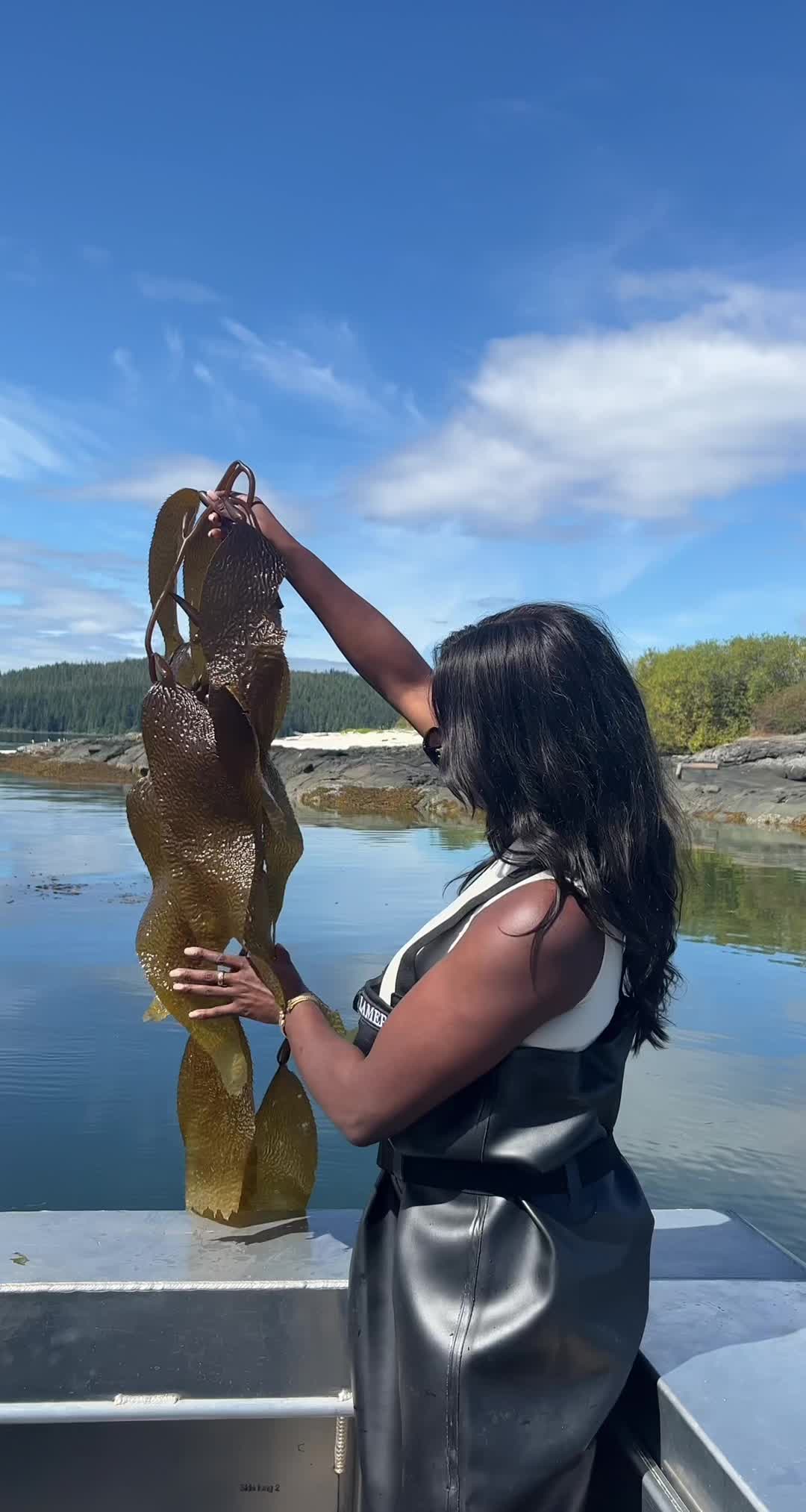
“let’s go to Vancouver Island with @LA MER to harvest giant sea kelp!”
Steal: the come-with-me-to-the-source format. A trip, not an ad.
▶ watch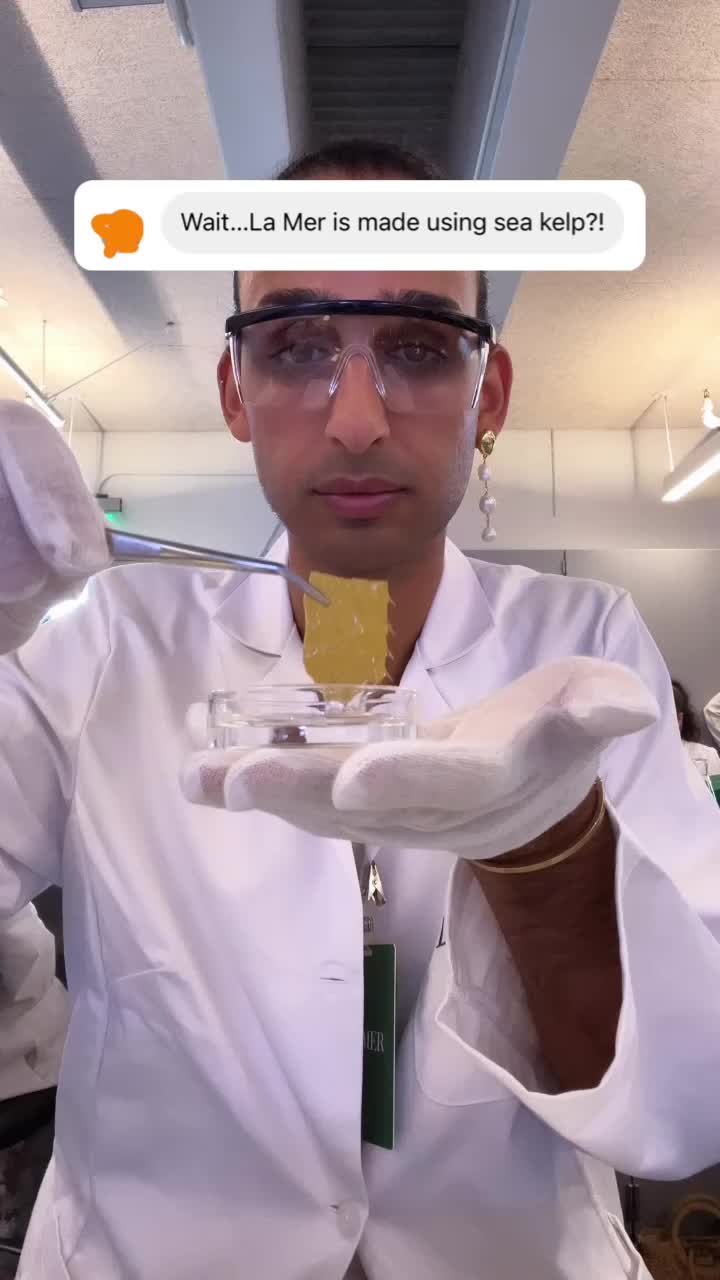
“From the sea to your skin — what makes @LA MER unique is their signature fermentation process.”
Steal: the process, not the product, as the differentiator.
▶ watch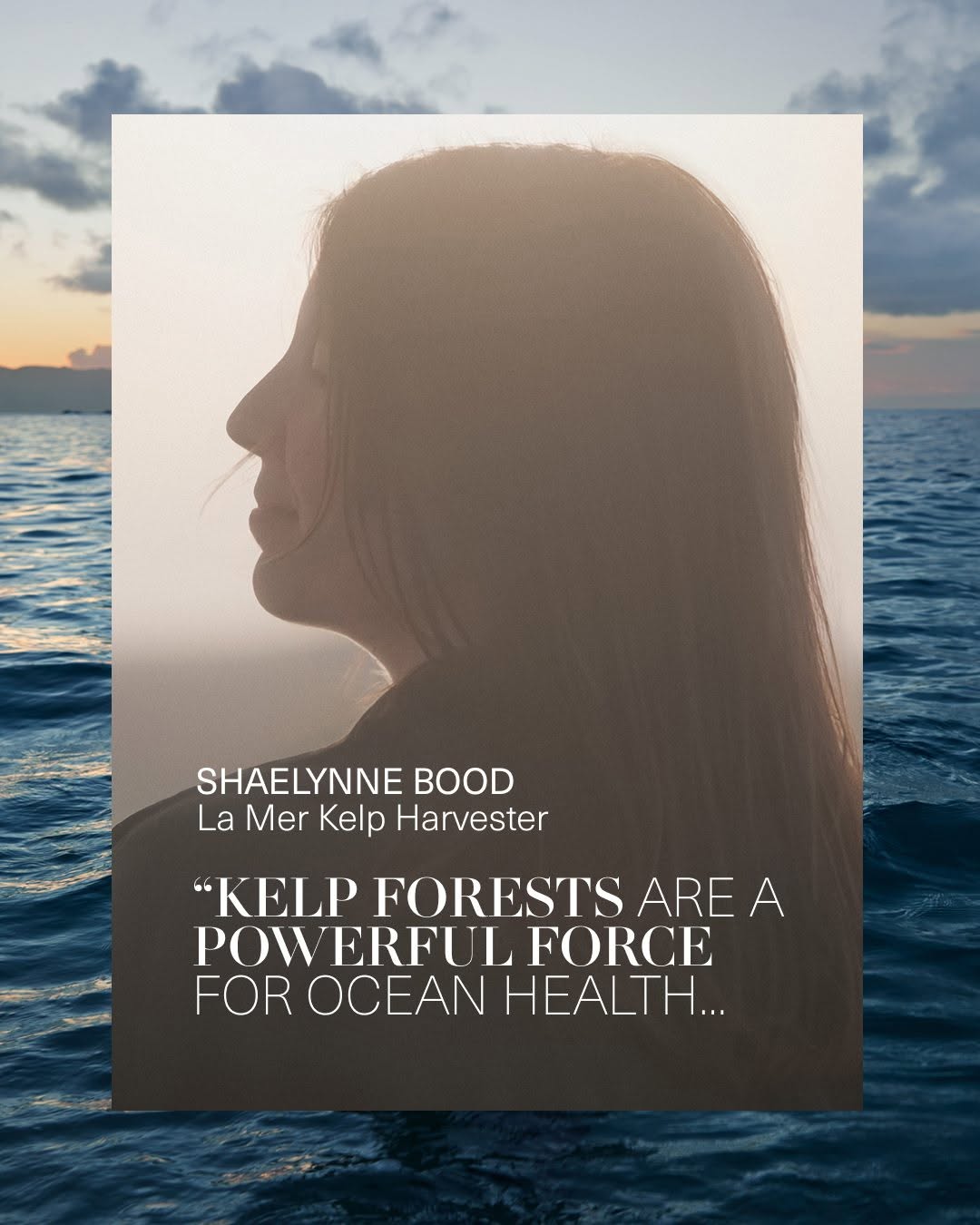
“Impact that lasts.” Climate Week — the ocean as the thing being protected, the cream barely present.
Steal: sustainability posted as brand, not as a product claim.
■ openSK-II
PITERA — one yeast strainBeautyForty-five years on one origin story: scientists noticed elderly sake brewers had the hands of young women, and went looking for why.
Why this brand
- The accident is the whole ad. Nobody invented PITERA; somebody noticed it.
- One strain out of roughly 350 examined, and it cannot be made synthetically. Rarity as fact, not adjective.
- They still fly creators to the brewery in 2026. The origin never gets retired.
- Their own site leads with process, not result:
The Magic Lies in the Fermentation Process
.
What to take
- We have the same shape: the nest fed emperors long before anyone put it in a dog.
- Find our “brewers’ hands” — the odd observation that starts the story.
- Naming the extract (LASIAL™) only pays off if one origin sits behind it every time.
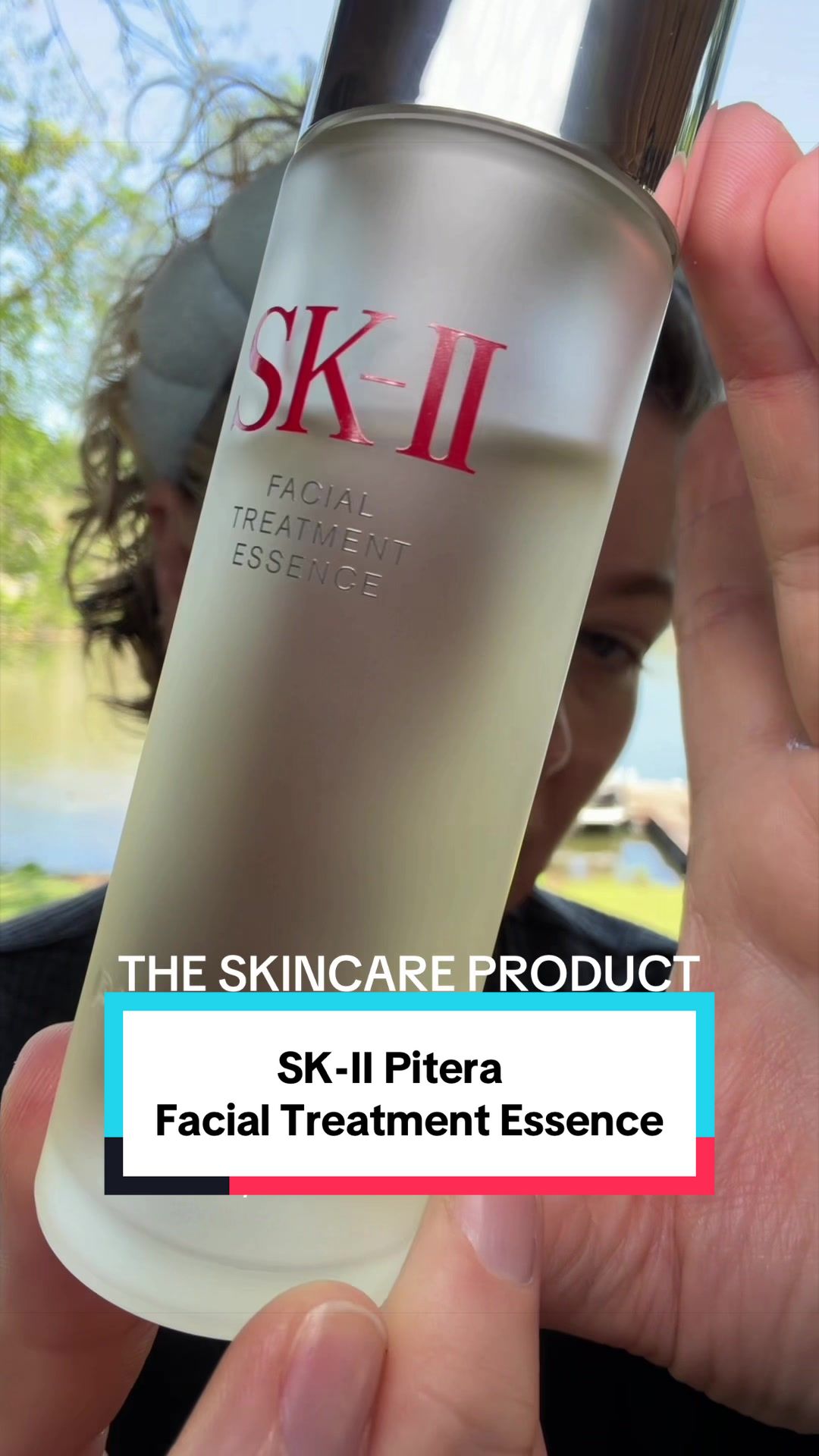
“…I break down the science behind fermented skincare, the origin story from Japanese sake brewers, and why this minimalist formula still delivers.”
Steal: explainer-as-ad. This is the NV1002-4 format, done by a creator.
▶ watch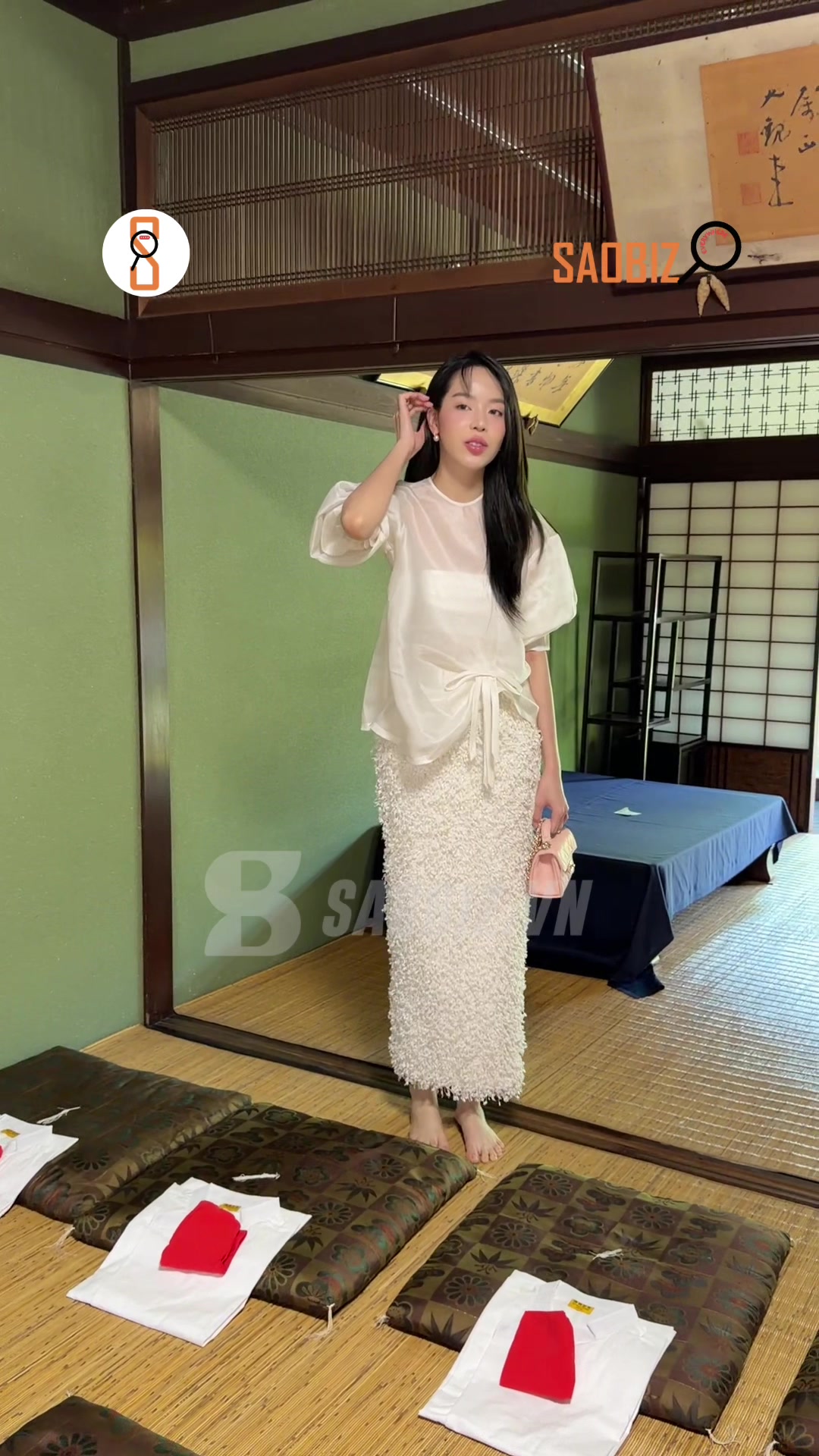
Inside Tomita Sake Brewery, being walked through the traditional fermentation that makes PITERA.
Steal: the factory visit. Ours would be the nest house.
▶ watch
“The Magic Lies in the Fermentation Process” — the origin page headline is about method, not results.
Steal: a permanent home for the origin story, so every ad can point at it.
■ openSulwhasoo
GinsengBeautyWhen the ingredient itself is common, make the time rare: sixty years of research, said in four words.
Why this brand
60 years. Still unmatched.
— the shortest complete rarity claim on this page.- Ginseng is in a hundred products. Sixty years of ginseng is in one.
- One number runs across an anniversary pop-up, a cream ad, an ambassador film and every static.
- The best static brand here. Their feed is the rarity claim, repeated, with almost no product demo.
What to take
- Our equivalent is concentration and heritage, not years — we are younger, and that is fine.
- A four-word hook over a product shot needs no dog, no owner and no before-and-after. Cheapest thing we could make.
- Repeat one number until the team is sick of it. That is roughly when the market notices.
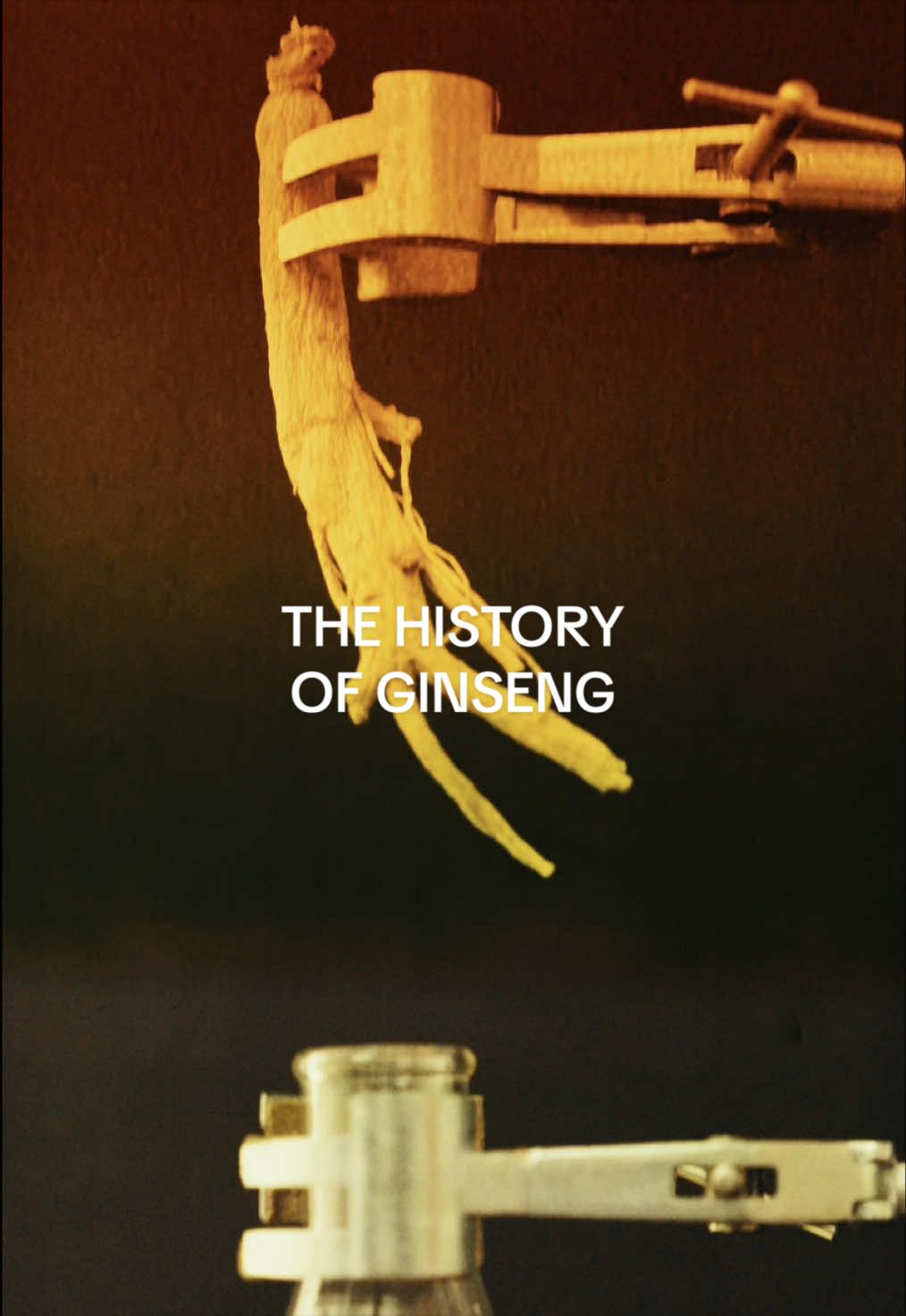
“60 years. Still unmatched.” — the story behind the ginseng and the research still shaping the formulas.
Steal: four-word hook, product-only frame. Recreatable this week.
▶ watch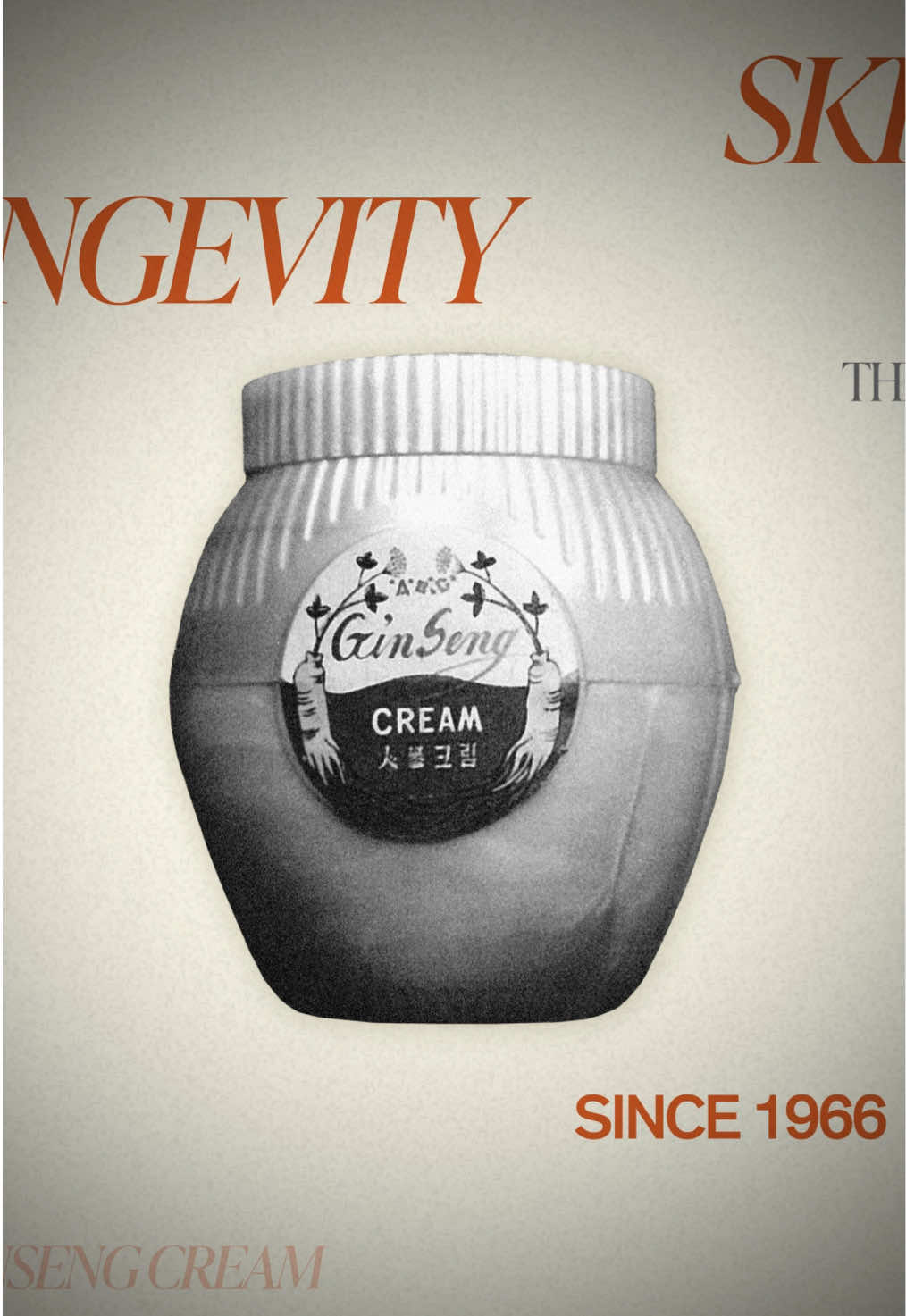
“60 Years of Skin Innovation. One Iconic Cream.”
Steal: “many years, one product” — depth instead of range.
▶ watch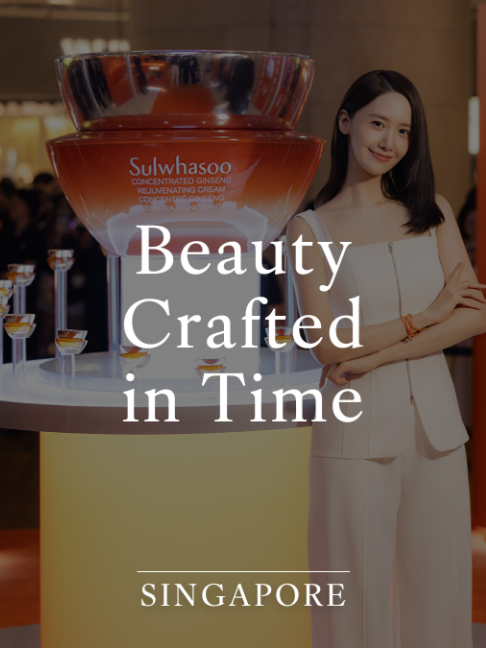
The 60th-anniversary pop-up — “Beauty Crafted in Time”, a room built around one cream.
Steal: an anniversary is a reason to re-tell the origin without new claims.
▶ watch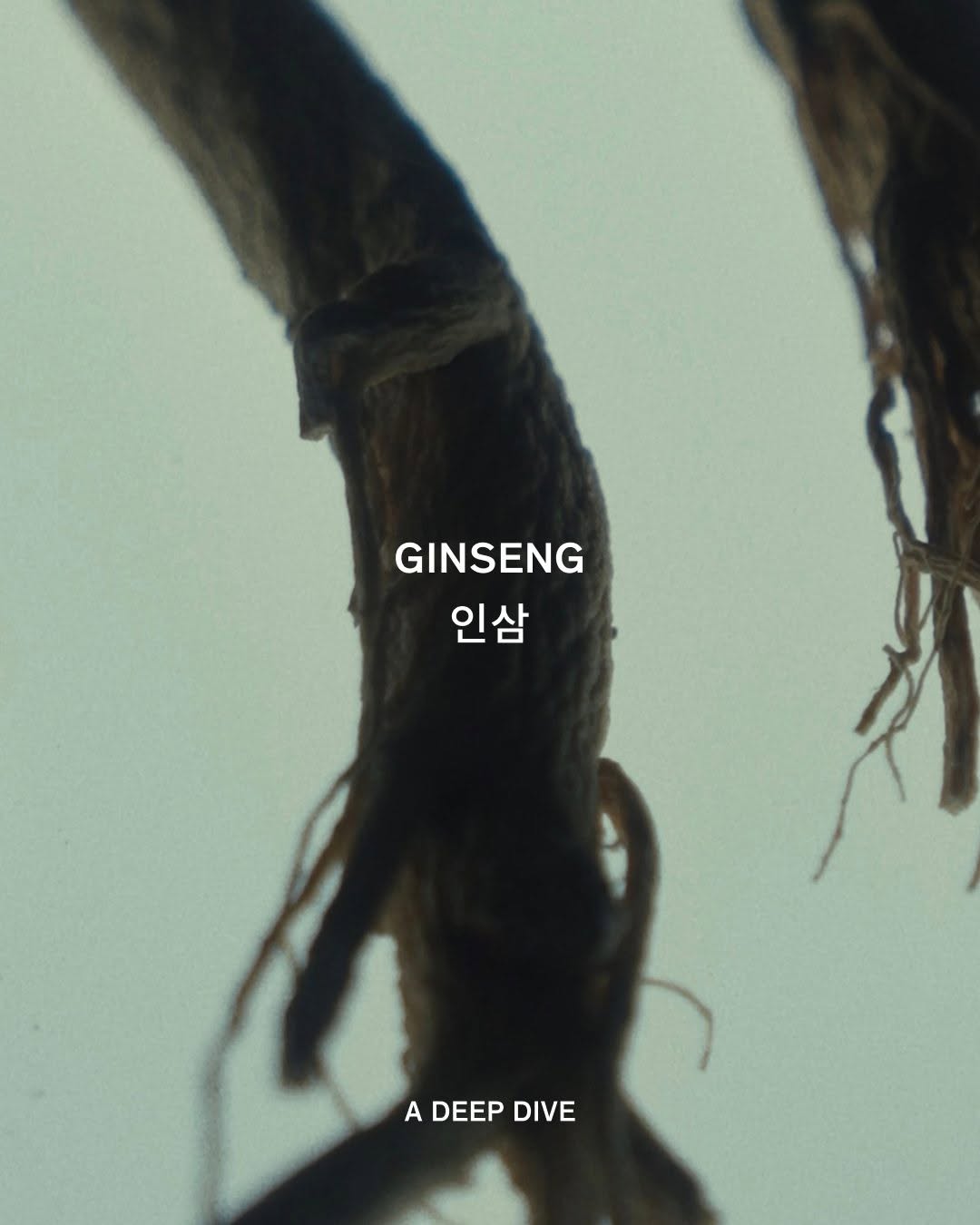
“For centuries, Korean Ginseng has been treasured for its remarkable vitality.”
Steal: the purest heritage static on this page. One sentence, one ingredient, no product claim.
■ open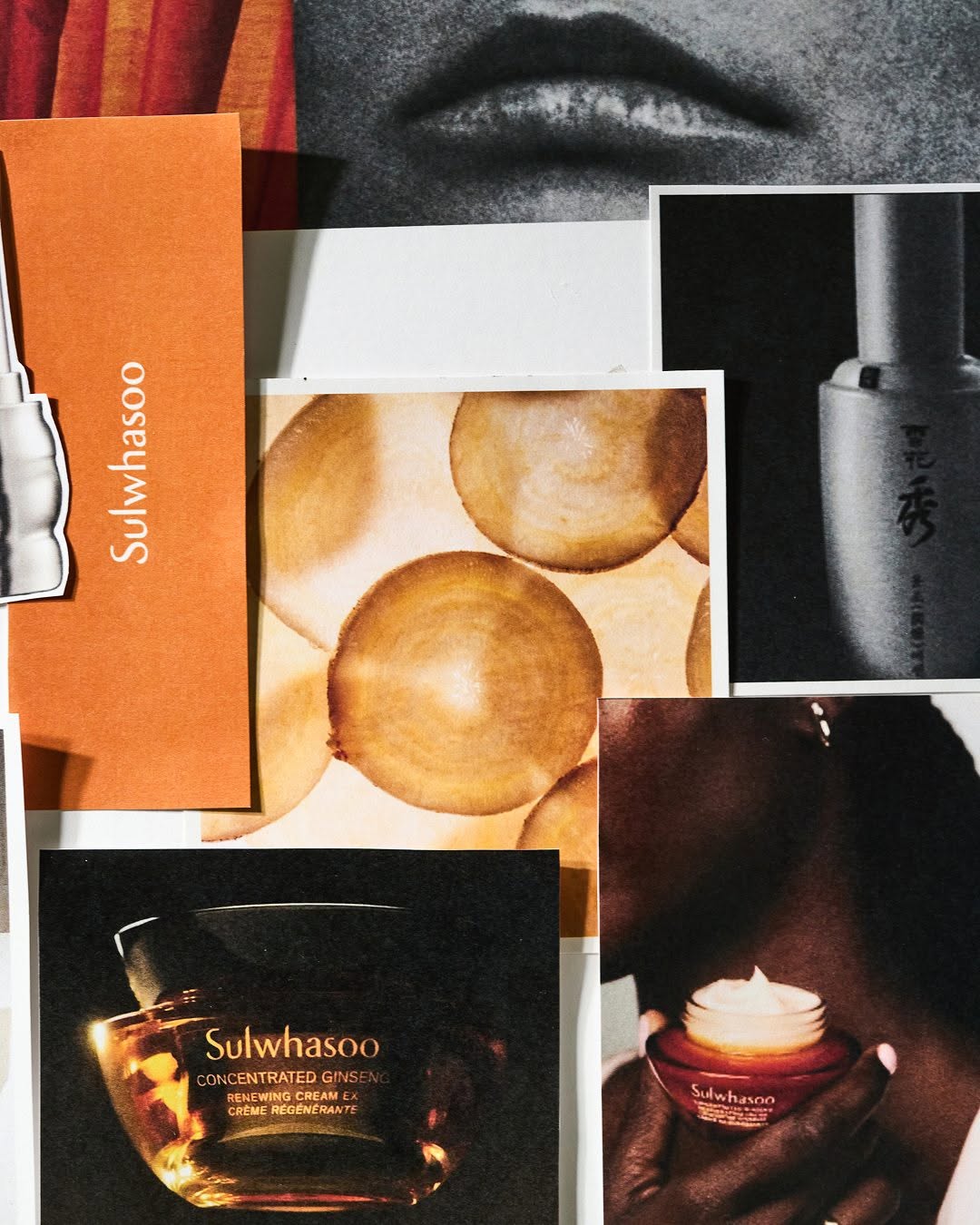
“Built on 60 years of Korean skincare expertise. Powered by Korean Ginseng.”
Steal: the number and the ingredient in one line. Copy the structure exactly.
■ open
“The evolution of our signature cream and the 60 years of research” — the product shown as a lineage.
Steal: packaging through the decades as proof of age. We could do this with the nest.
■ open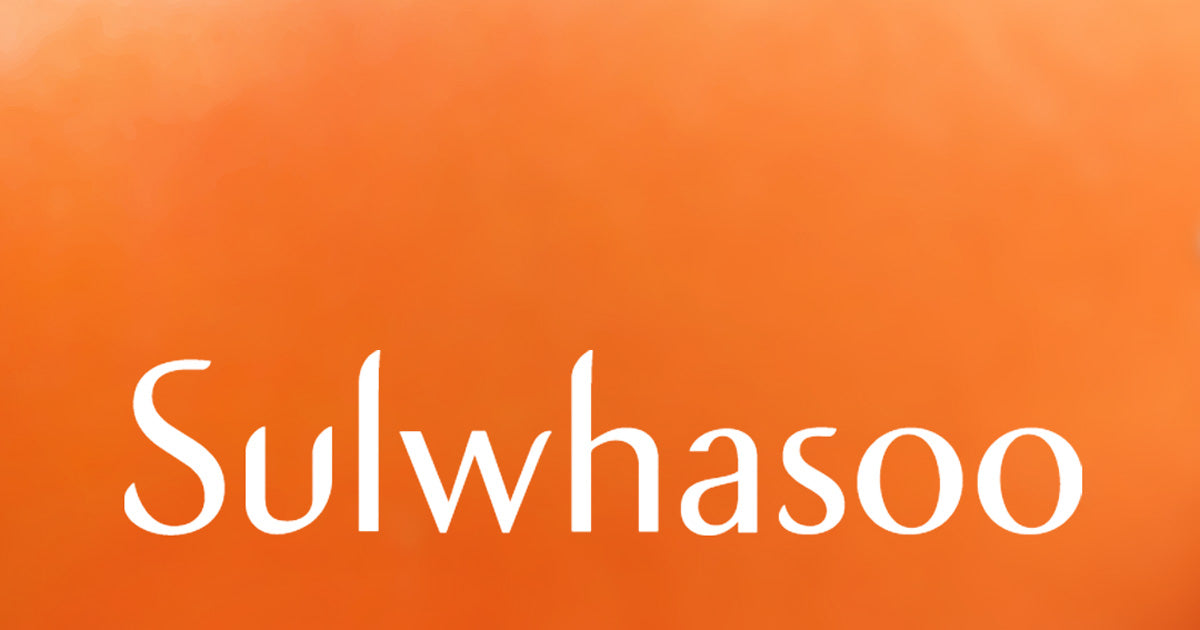
The collection page is named after the ingredient, not the benefit.
Steal: naming the range after the ingredient forces the story into every page.
■ openARMRA
Bovine colostrumSupplementThe closest business model to ours: one rare whole food, a single number attached to it, and a promise that it replaces a shelf of other things.
Why this brand
1 whole food. 400 bioactive nutrients.
— one ingredient against an entire supplement cabinet.- The scarcity is a time window: colostrum exists for about a day. Nothing to argue with.
- They made a street stunt out of “the first food of life” — the ingredient story became the campaign.
- Statics carry the attitude, video carries the explanation. Both say the same number.
What to take
- Our count is sialic acid and nest concentration. Pick one and never change it.
- “Replaces the shelf” is a strong dog-owner frame: one stick instead of four tubs.
- Read the caution at the foot of this page before copying their sourcing language.

“Your body has its own suit of armor… the most important layer might be the one no one can see.”
Steal: the ingredient given a metaphor, so it can be shown.
▶ watch
“Each scoop is packed with 400+ bioactive nutrients.” The same number, now carrying a flavour launch.
Steal: the number does the selling even in a range ad.
▶ watch
“Swap the shelf for the scoop. 1 whole food. 400 bioactive…”
Steal: one rare thing versus many ordinary things. Our clearest available frame.
▶ watch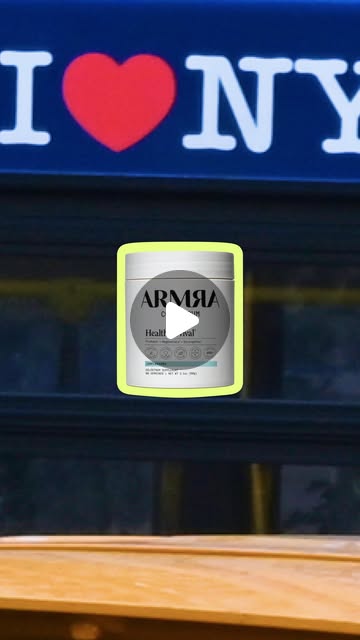
“We stickered the first food of life across the city… the most important layer you wear is the one you build from within.”
Steal: naming the ingredient instead of describing it.
▶ watch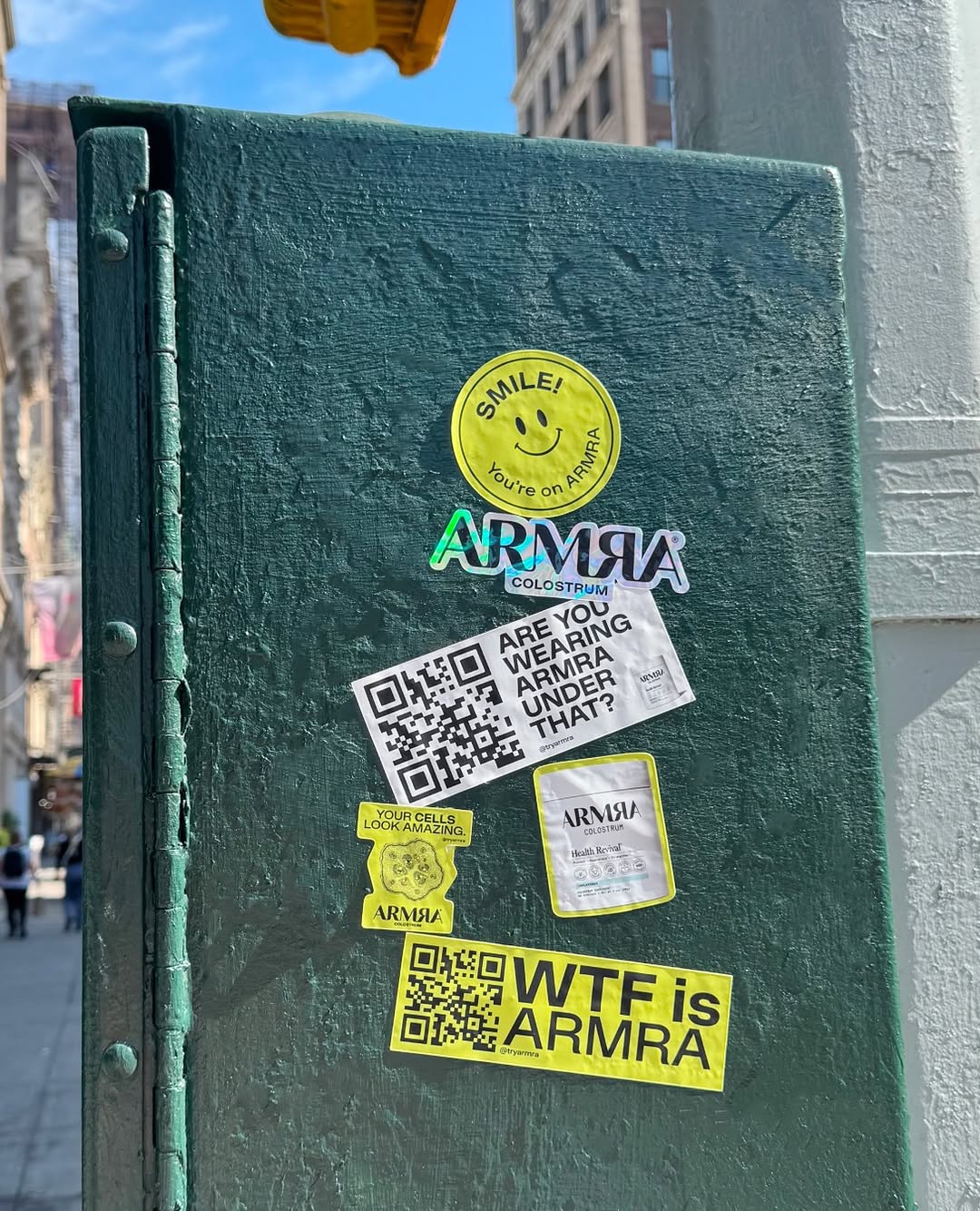
“Every brand ‘did’ Fashion Week. We’ve been doing it for 300 million years.”
Steal: age as a flex, delivered as a joke. The rarity claim without a single clinical word.
■ open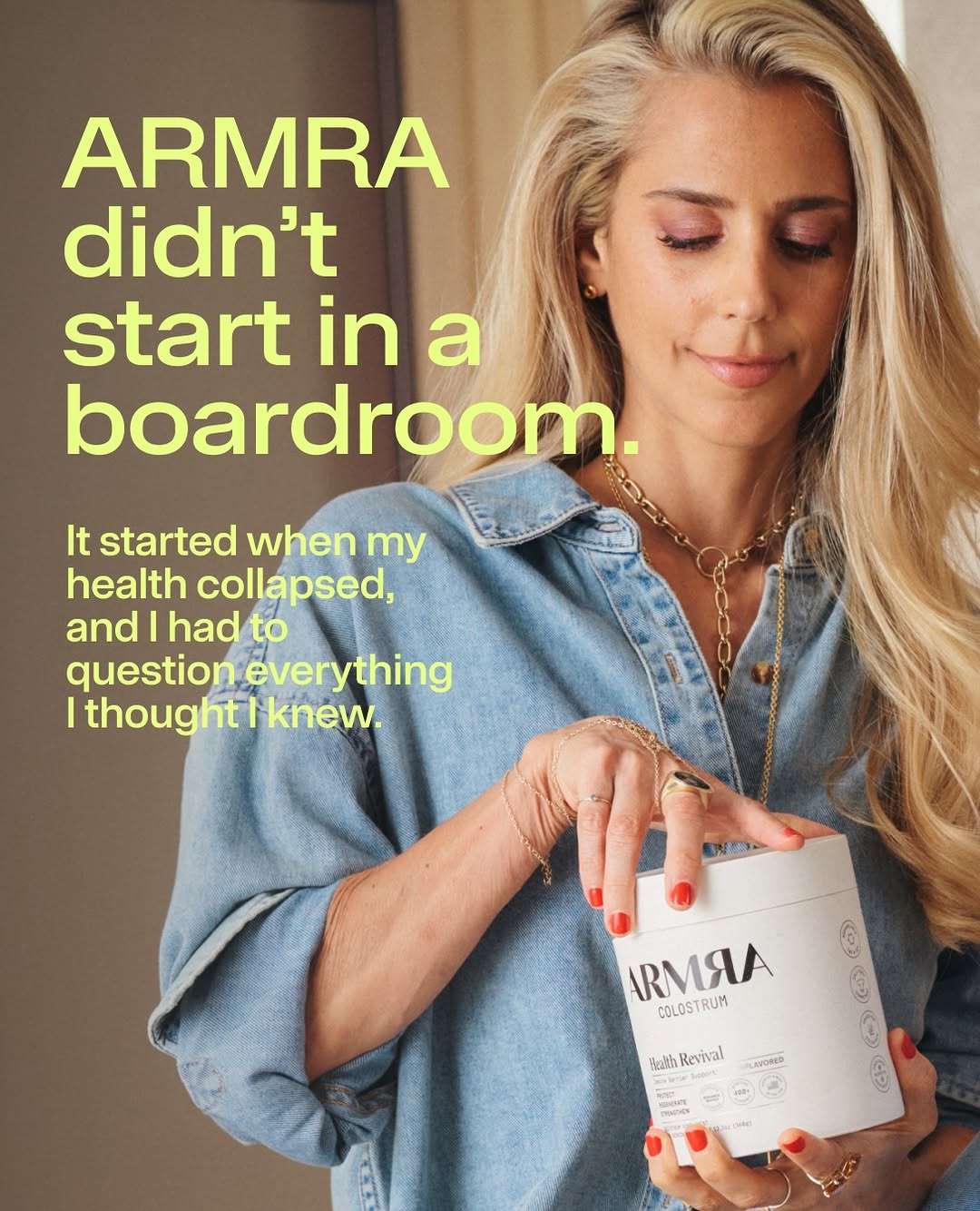
“We don’t need to fix the body. We need to remind it.”
Steal: a philosophy line as the whole static. No product, no claim, no offer.
■ open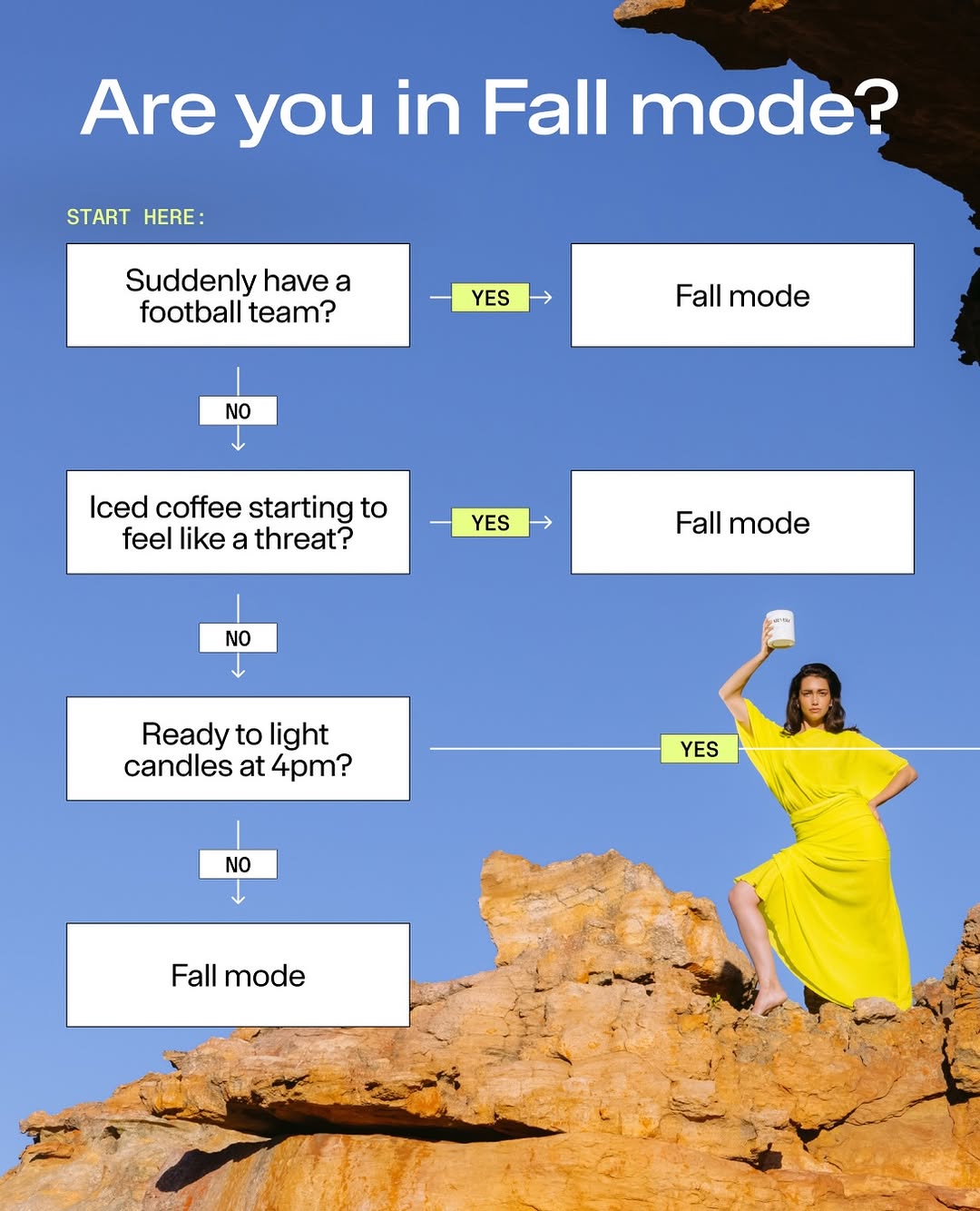
“Your body knows fall is coming before the calendar does.” — seasonal hook, same ingredient.
Steal: seasonality as a reason to repost the same ingredient story.
■ openRanavat
SaffronBeautyThe world’s most expensive spice, sold as a ritual that belonged to royalty — heritage doing the work a clinical claim cannot.
Why this brand
- Saffron needs no explanation of its cost. The brand spends its words on who used it.
- “Royal Ritual” turns an application step into an inherited practice.
- Their origin film is personal, not clinical, and still lands the heritage.
- Statics lean on culture — the bindi, the family of bottles — rather than on the ingredient’s function.
What to take
- Our nest has the strongest heritage on this page: emperors, court medicine, centuries.
- We have almost never used it in video. Cheapest untapped material we own.
- Pair it with the dog: an emperor’s food, now for an animal somebody loves that much.

“skinmaxxing with saffron… this powerhouse ingredient… a mini Royal Ritual.”
Steal: “Ritual” as the format word. Ours could be a daily rite, not a dose.
▶ watch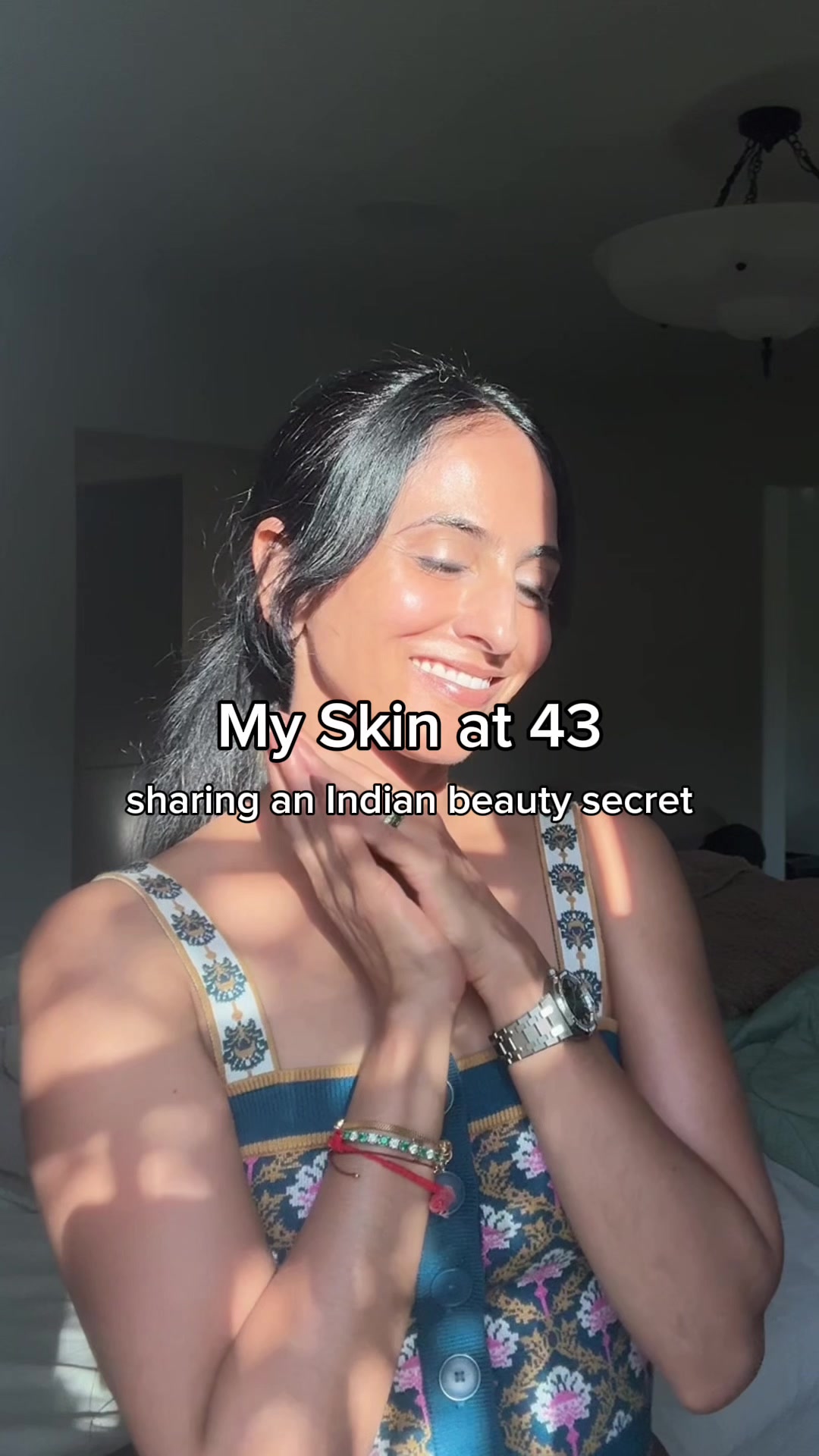
“A return to the rituals Michelle grew up with… every formula is an expression of heritage.”
Steal: founder-origin as rarity proof when there is no lab number.
▶ watch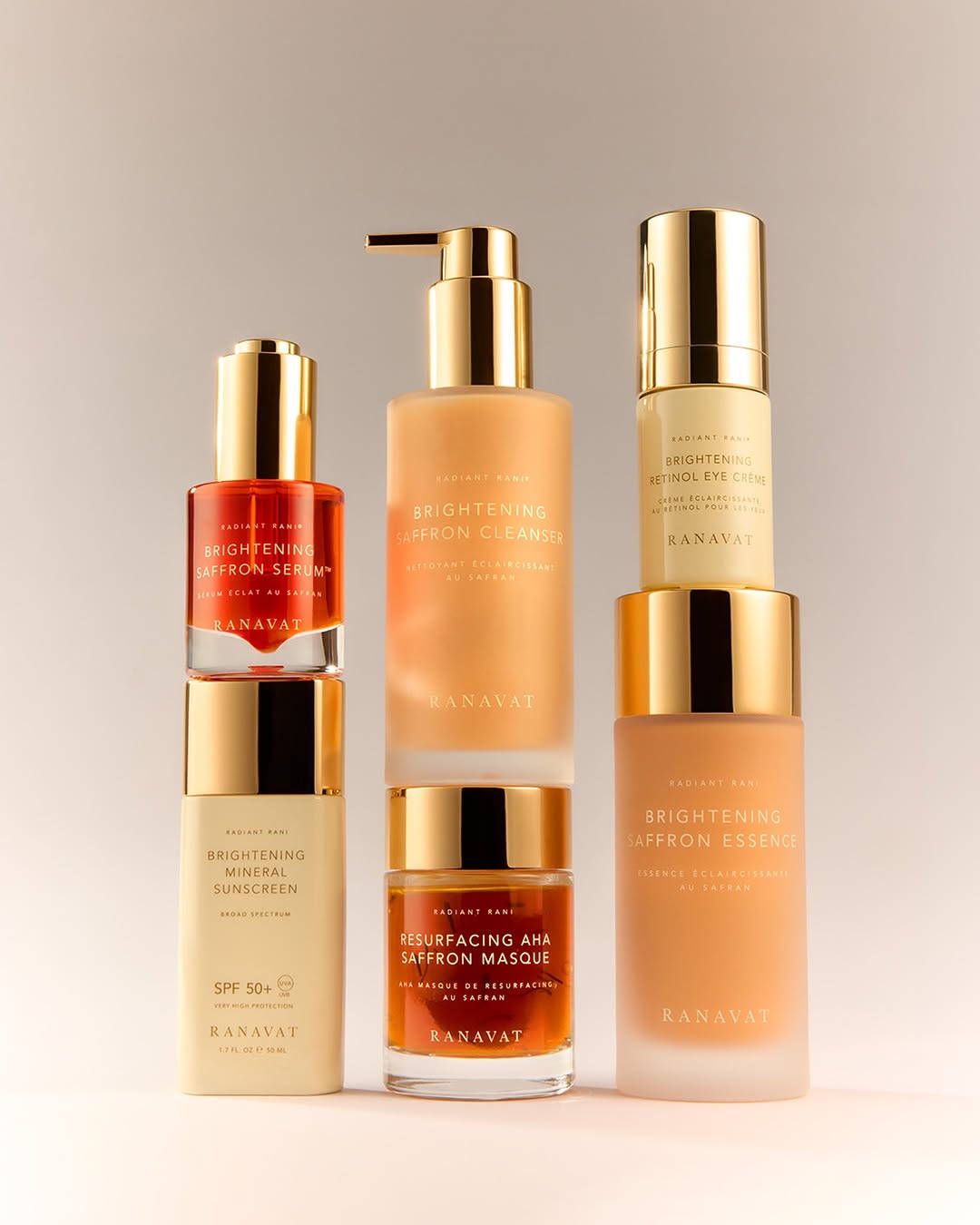
“our updated family photo — love to see our saffron skin collection grow.”
Steal: the range shot, but every product named after the same ingredient.
■ open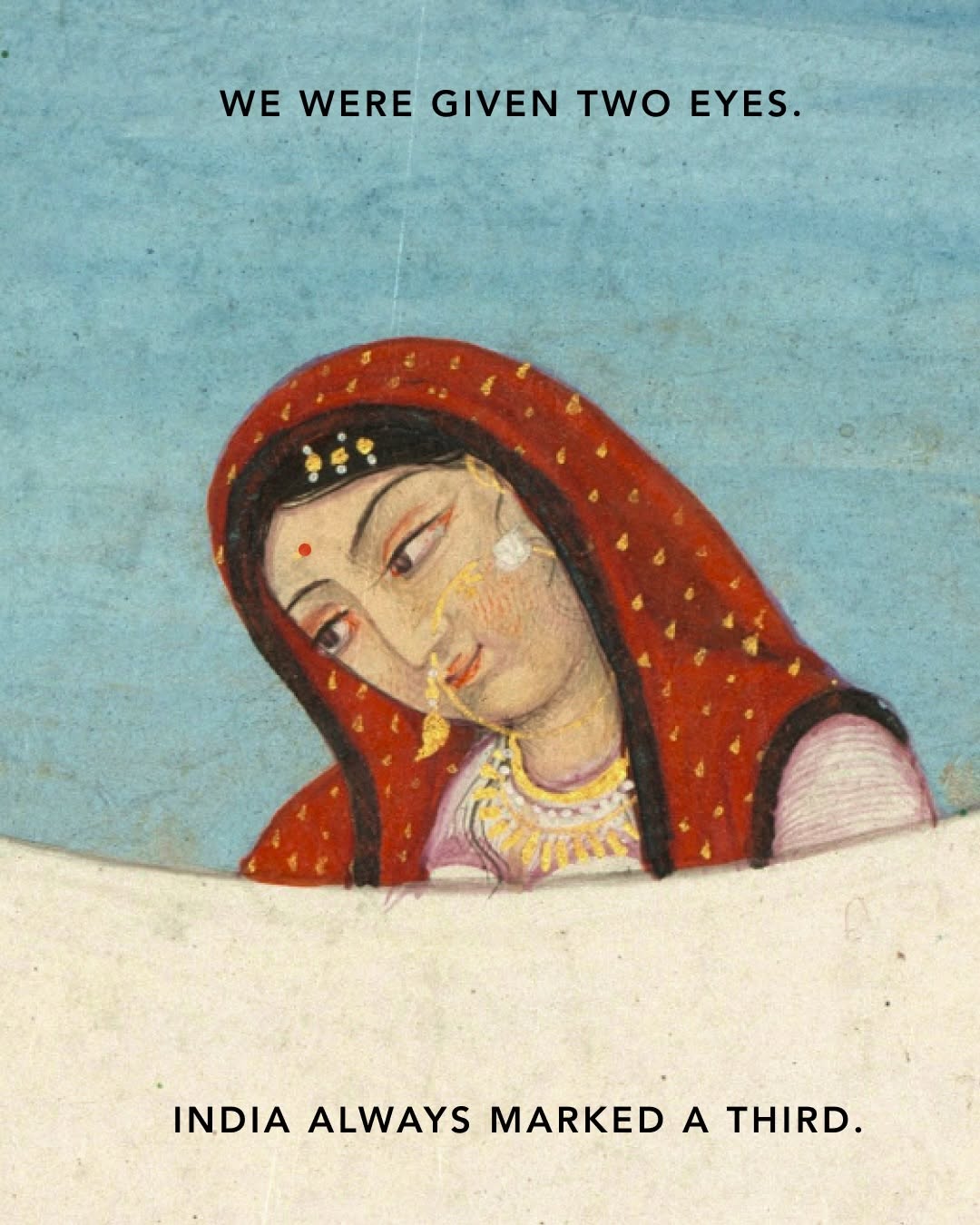
“The bindi is more than an accessory. It represents much more.”
Steal: culture posted for its own sake. It buys the right to sell heritage later.
■ open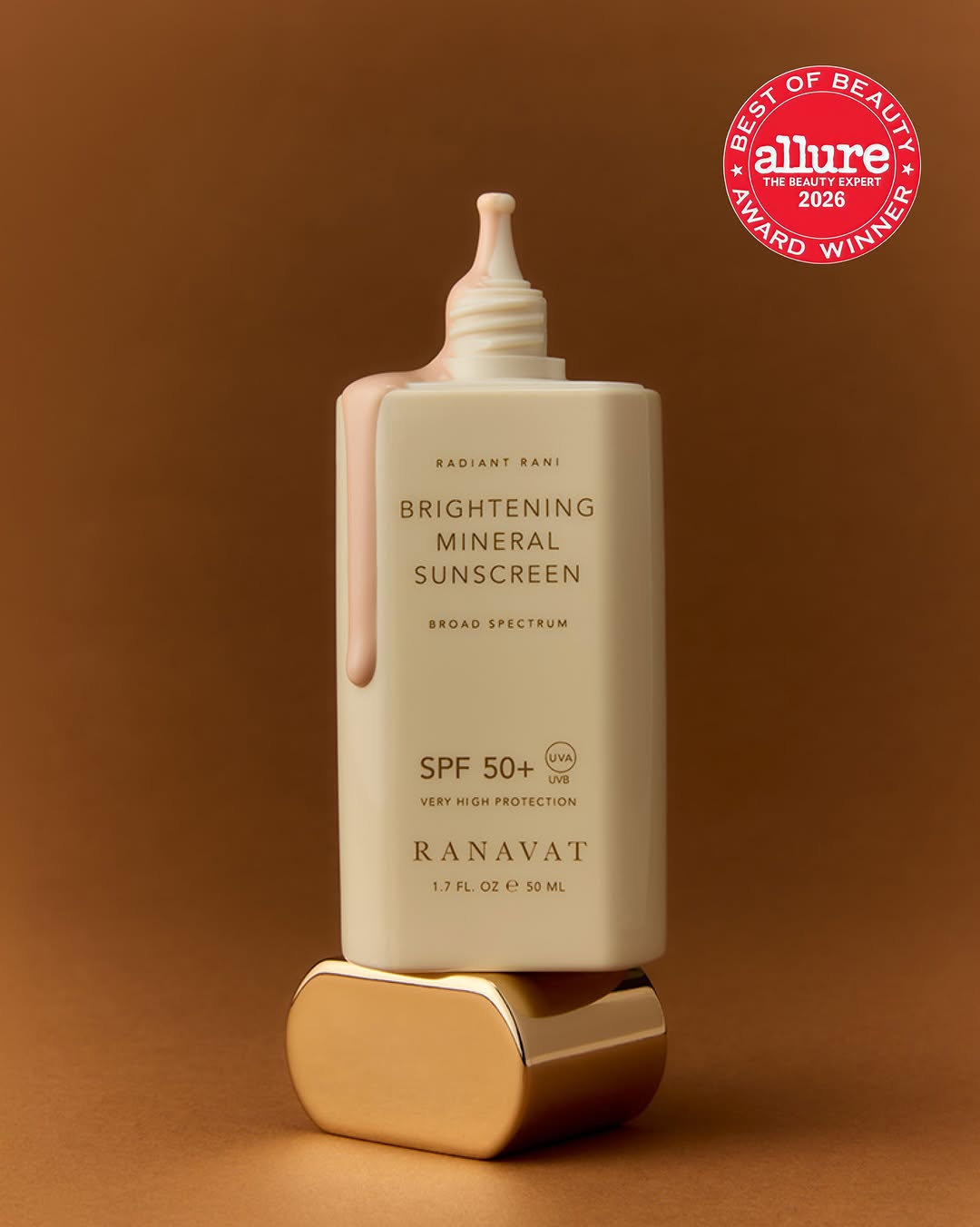
An Allure Best of Beauty win, posted as the proof point.
Steal: third-party awards as the substitute for a clinical claim.
■ openCymbiotika
ShilajitSupplementA mineral scraped off Himalayan rock, sold with a blunt single-benefit hook — proof a rare ingredient does not have to be sold reverently.
Why this brand
- Shilajit is the rarest-sounding thing in the wellness aisle, and the ads are short and plain.
- One ingredient, one benefit, one line. No heritage film needed.
- Most of the reach comes from creators repeating the ingredient word — the ingredient is the campaign.
What to take
- The counterweight to La Mer: we do not always need the cinematic origin cut.
- Cheap and fast to test — one line, one claim, product in hand. Good for volume.
- Let creators say the ingredient name, not the brand name.
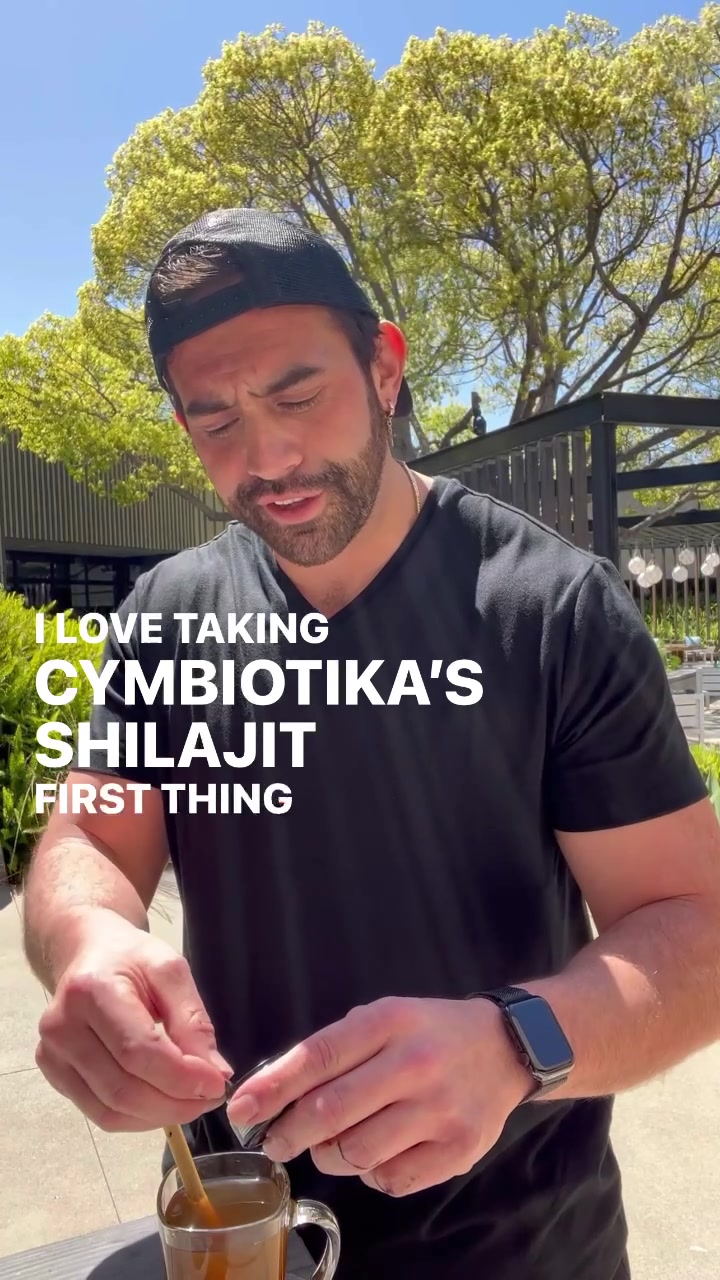
“Shilajit can actually help boost testosterone” — single ingredient, single claim, no story.
Steal: the blunt format. Cheap to produce, easy to make ten of.
▶ watchAntinol & Native Pet
Green-lipped mussel · colostrumDog supplementThe two dog brands running a rare-ingredient play — and the clearest white space on this page: in dog, the ingredient story lives in video, and the statics are giveaways.
Why this brand
- Antinol sells the place (Marlborough Sounds) and the process (cold-extracted oil, not powder).
- Their extract has a code name, PCSO-524 — exactly how we use LASIAL™.
- Native Pet launched colostrum with a plain
let’s talk about it
explainer, not a benefit ad. - Neither runs ingredient statics. Their feeds are rescues, giveaways and referral offers.
What to take
- Direct proof the rarest angle works in dog, not only in beauty.
- Give creators one sentence they must say. Ours is the nest and LASIAL™.
- The static gap is ours to take — nobody in dog is running a Sulwhasoo-style ingredient static.

“…its patented blend of green-lipped mussel oil and Krill oil will make your dog’s joints magically come alive!”
Steal: a creator ad that still leads with the ingredient, not the discount.
▶ watch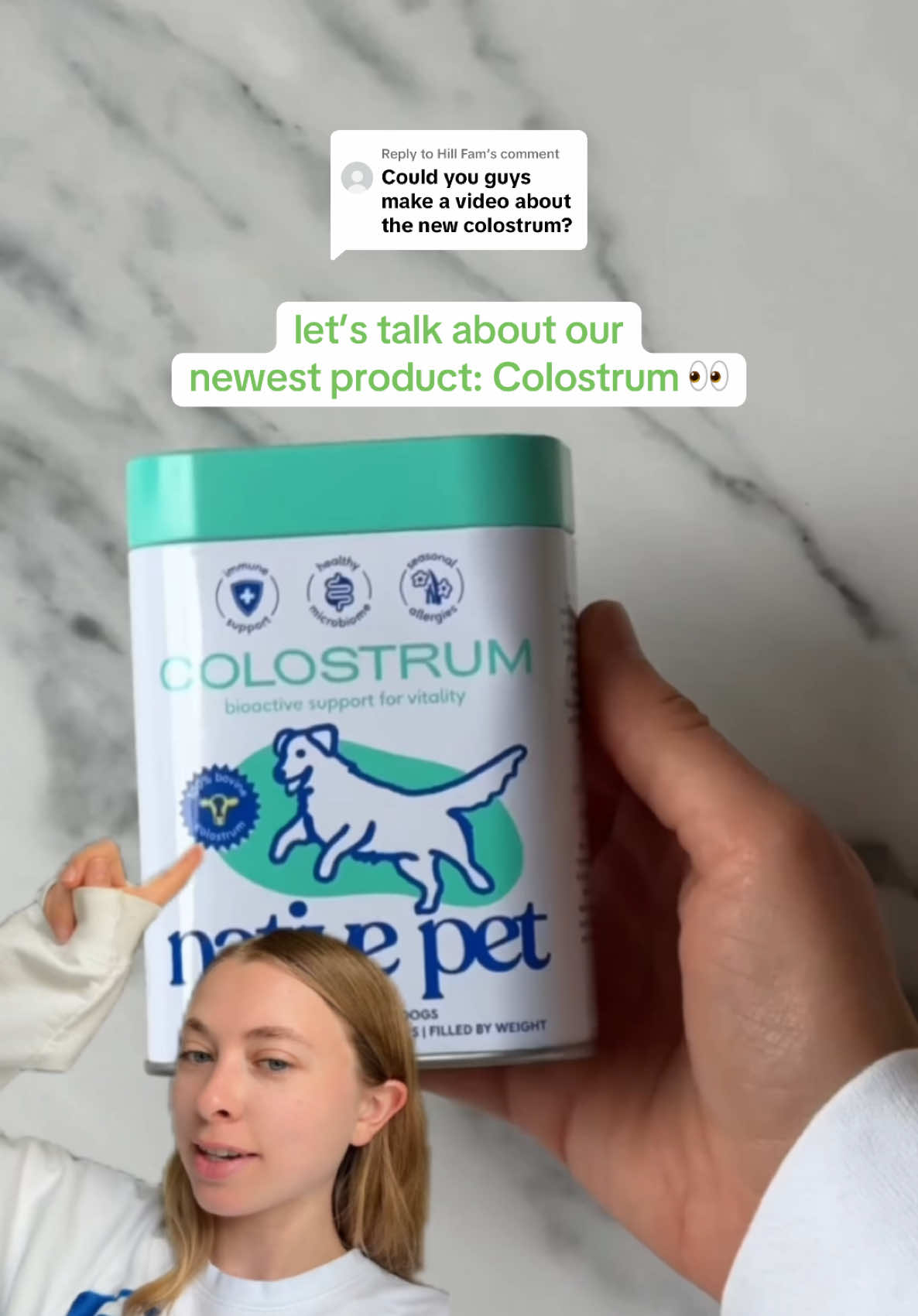
“The news is out, we have a new product: colostrum! let’s talk about it”
Steal: launching an ingredient as a conversation, not a promotion.
▶ watch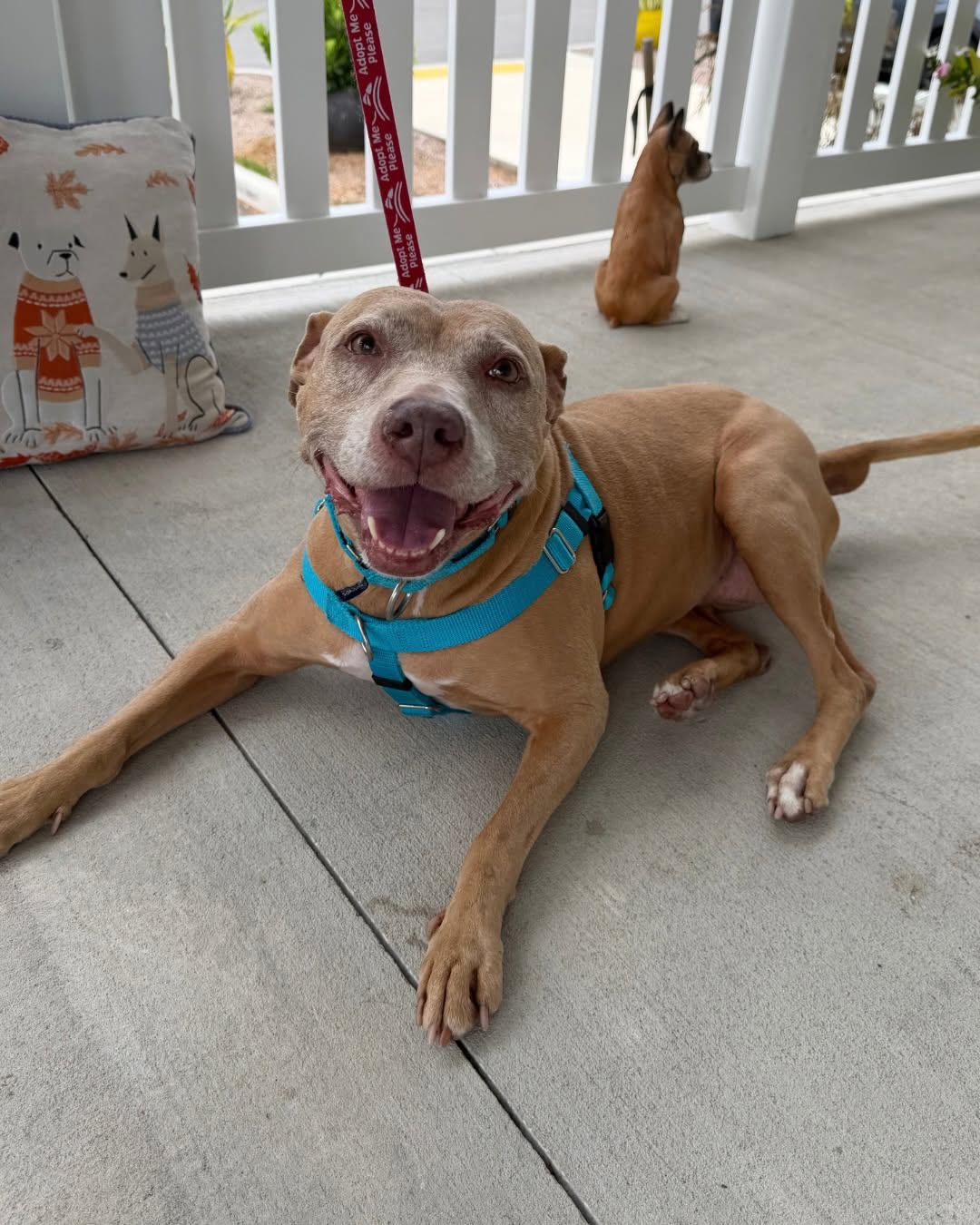
“Meet Scout! We’re proud to partner with @humanesocietytampa…”
Steal: note what this is not — no ingredient, no origin. The dog category’s static habit.
■ open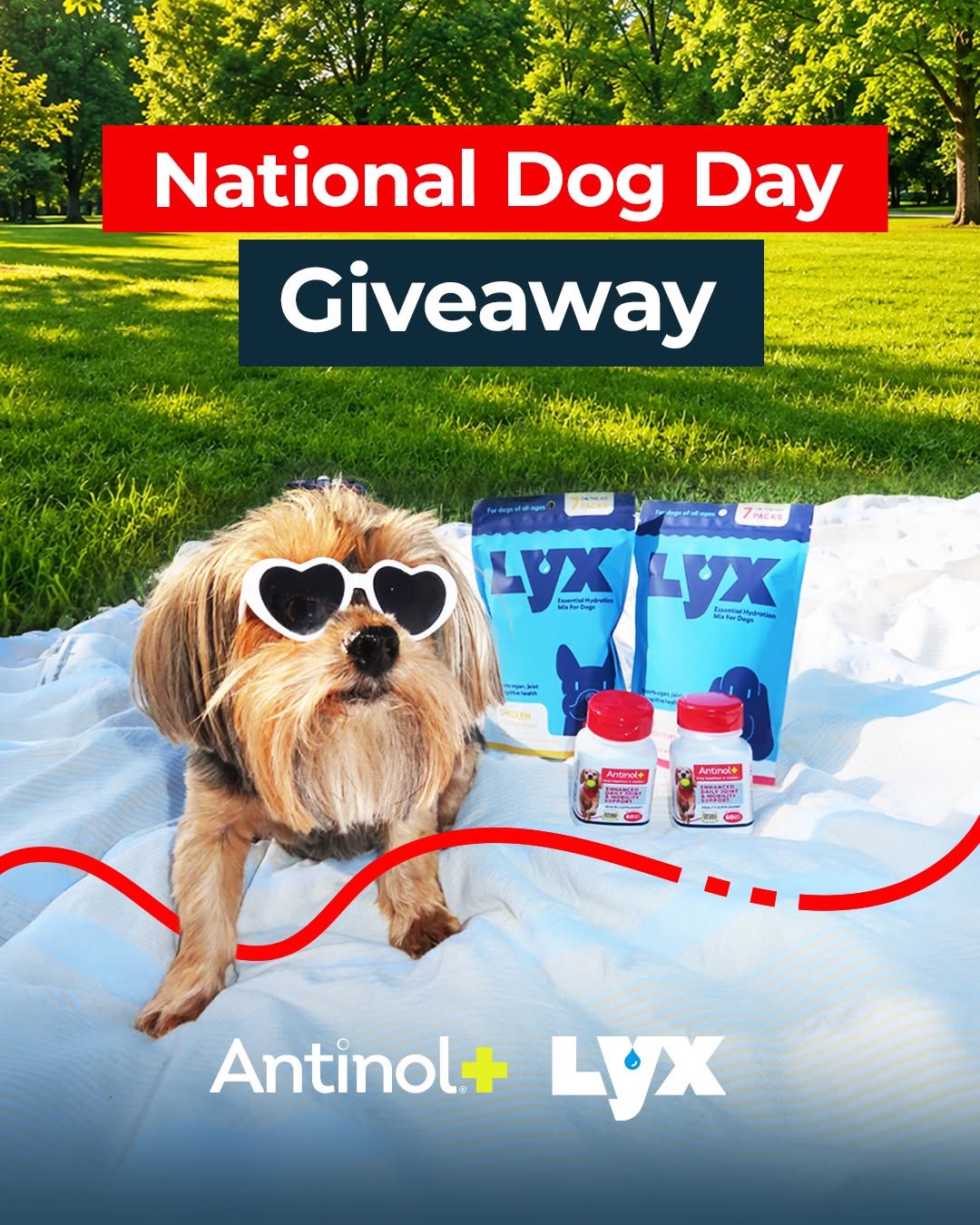
“WIN Summer Essentials for You & Your Dog” — a giveaway.
Steal: the gap. Their best asset is the mussel and it never appears in a static.
■ openWhat to build from this
Eight assets. All Rare-angle, because that is the lane with the best cost per order and almost nothing in it. None need a new dog or a before-and-after.
Why the nest costs what it costs
Open on the price or the rank, hold the strangeness for three seconds, then land why a dog owner should care. NV1002-4 remade properly.
from @farmcurious2 + our own winnerGo to the nest house
Film the farm. Take the nest only after the bird has left, and say so on camera. Rarity and sustainability in one shot.
from La Mer · @nativeamericanculturesOne line over the product
Pick the number, set it over a still of the stick, stop. Cheapest asset on this list and the easiest to make five of.
from Sulwhasoo — “60 years. Still unmatched.”One stick instead of four tubs
Line up the supplements a hair-loss owner already buys, then replace them with one thing. Ingredient versus cabinet.
from ARMRA — “swap the shelf for the scoop”An emperor’s food, for a dog
Centuries of court medicine, now for the animal somebody loves that much. Our strongest unused material.
from Ranavat · SK-IIOne sentence they must say
Hand creators the nest + LASIAL™ sentence and let them keep everything else. Tests whether the angle survives another voice.
from Antinol · Native PetThe ingredient static nobody in dog is running
A Sulwhasoo-style card: one heritage sentence, the stick, nothing else. Antinol and Native Pet leave this wide open.
from Sulwhasoo · the dog-category gap“The caviar of the East”
Test a nickname that lets the audience skip the education step. One line, product still, no explanation.
from @kelmeleatsOne caution before we copy the sourcing language
ARMRA is currently facing a false-advertising complaint, filed in September 2026, over exactly this kind of claim — specifically that its “we only take surplus colostrum, the calf is fed first” line was not substantiated. The structure of that claim is identical to our own house-farmed, the bird leaves first, traceable line.
So: keep making the claim, because it is true and it is our best differentiator — but make sure the farm can evidence it before it goes into an ad at scale. An animal-welfare claim is the one part of the rarest angle that can be challenged, and it is the part we lean on hardest.
Built Sep 28, 2026 · 8 groups, 22 videos + 15 statics · every link opened and verified on the day · TikTok, Instagram and brand sites · account figures from the HK hub read Sep 28